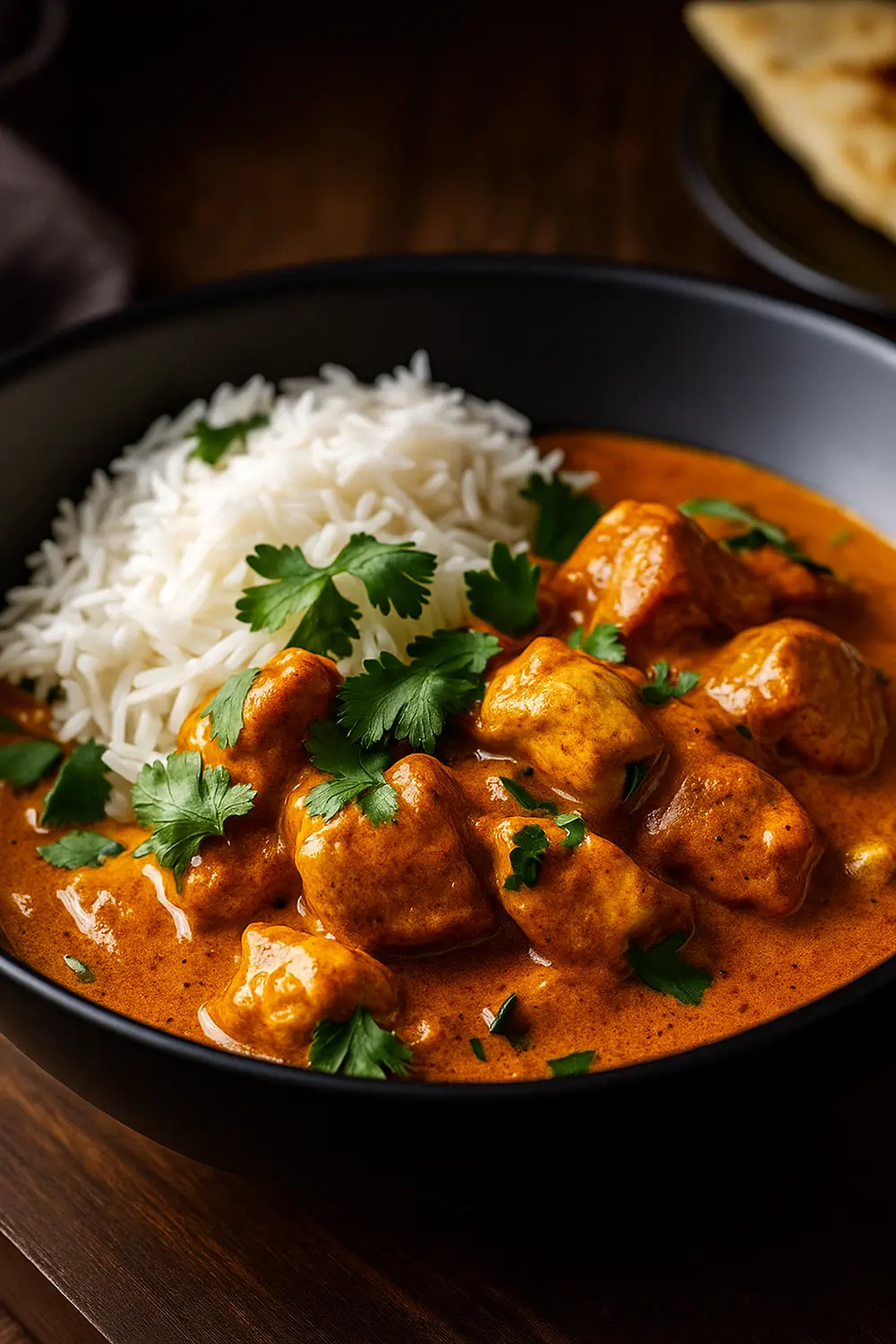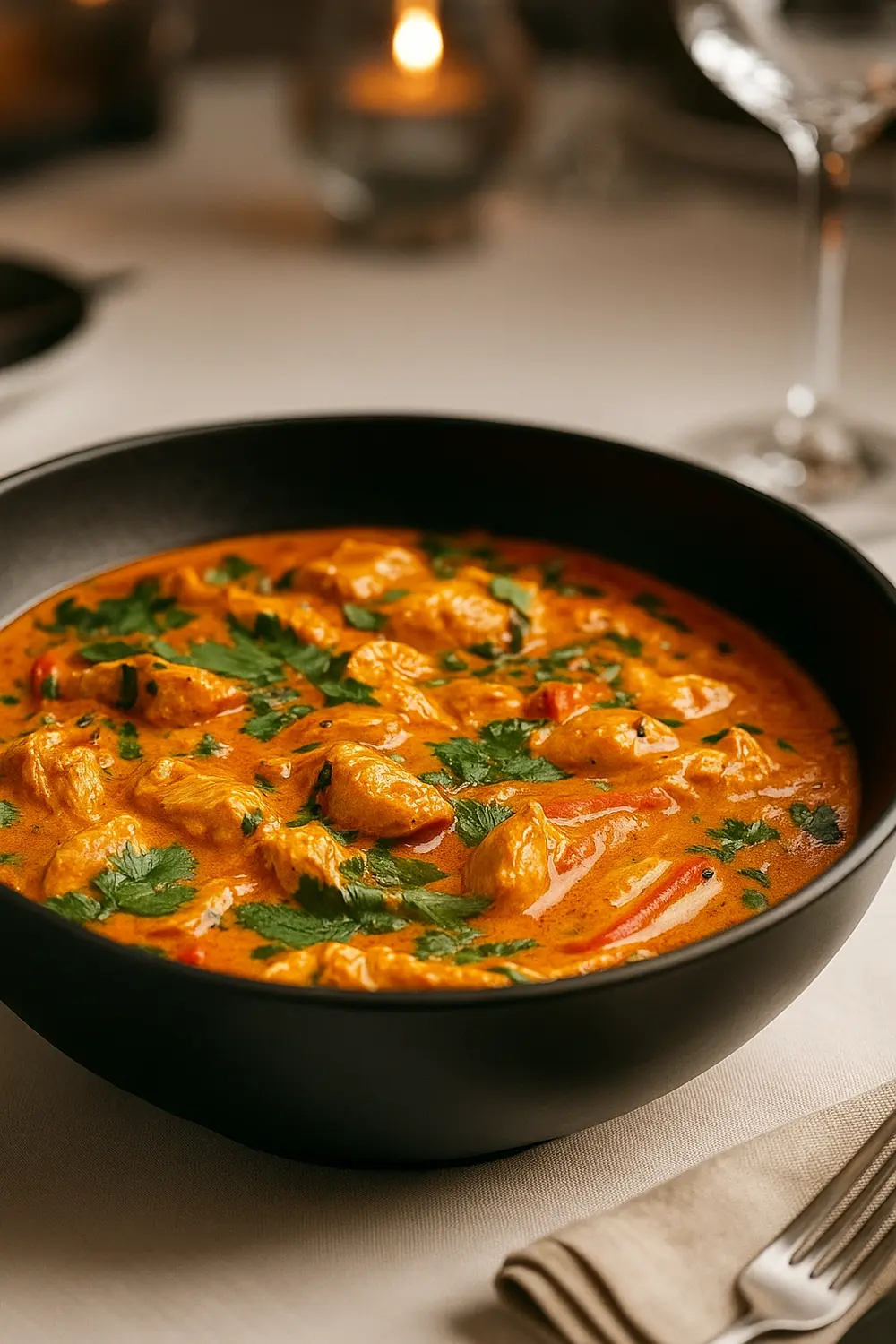
Coconut chicken curry is a delicious Indian or Thai dish featuring tender chicken simmered in a rich, creamy sauce made primarily with coconut milk, aromatic spices like curry powder, turmeric, and cumin.
This creamy coconut curry chicken recipe is a delicious fusion of traditional Indian curries and Thai flavors.
It embraces the aromatic depth of Indian dry spices like cumin, coriander, turmeric, and garam masala, which form the backbone of many Indian chicken curry recipes. Spice traditions are studied for more than flavor. Spice-study records on PubMed carry the methods.
Yet, the prominent use of creamy coconut milk and the bright finish of lime juice echo the vibrant, often soupy characteristics of Thai chicken curry.
As a culinary professional, a recipe is viewed not just as a set of instructions but as a blueprint for a complete culinary experience.
This easy coconut chicken curry recipe, while seemingly simple, holds layers of potential and nuance that can be explored to elevate the dish.
Perfect for weeknight dinners, this easy Indian chicken curry dish is high in protein, gluten-free, and packed with incredible flavor that will transport your taste buds. Protein plus gluten-free suits many tables. Harvard's Nutrition Source shares gluten-free table notes.
Key Ingredients for Your Coconut Chicken Curry
Every great dish starts with quality ingredients, and this coconut chicken curry is no exception. Each component plays a vital role in building the layers of flavor and achieving that perfect creamy texture.
1. Chicken
- Boneless, skinless chicken thighs are highly recommended for this curry.
- Chicken thighs stay juicy and tender even after simmering, and they absorb the rich flavors of the sauce beautifully.
- While chicken breasts can be used for a leaner option, they tend to dry out more easily, so careful cooking is key.
2. Full-Fat Coconut Milk
- This is the absolute cornerstone of a truly creamy and luscious coconut curry.
- Opting for full-fat ensures that rich, velvety texture and deep coconut flavor that lighter versions simply can’t deliver.
3. Aromatics
- Onion, garlic, and ginger form the foundational flavor base of the curry.
- Sautéing them until soft and fragrant releases their natural sweetness and pungent notes, which are essential for a complex curry.
4. Curry Powder & Dry Spices
- The blend of curry powder and dry spices (turmeric, cumin, coriander, paprika, cayenne, and garam masala) is the heart and soul of the curry, providing its distinctive warmth, color, and aromatic depth.
- The act of “blooming” these spices in hot oil is crucial for intensifying their flavor and preventing a raw taste.
5. Tomato Paste
- This concentrated ingredient adds a layer of rich, savory depth and a subtle tang, while also helping to thicken the sauce.
6. Lime Juice
- A squeeze of fresh lime juice at the end is a game-changer.
- Its acidity cuts through the richness of the coconut milk, brightening all the flavors and adding a refreshing zing.
7. Fresh Cilantro
- Used as a garnish, fresh cilantro provides a vibrant, herbaceous finish that contrasts beautifully with the warm spices and creamy sauce.
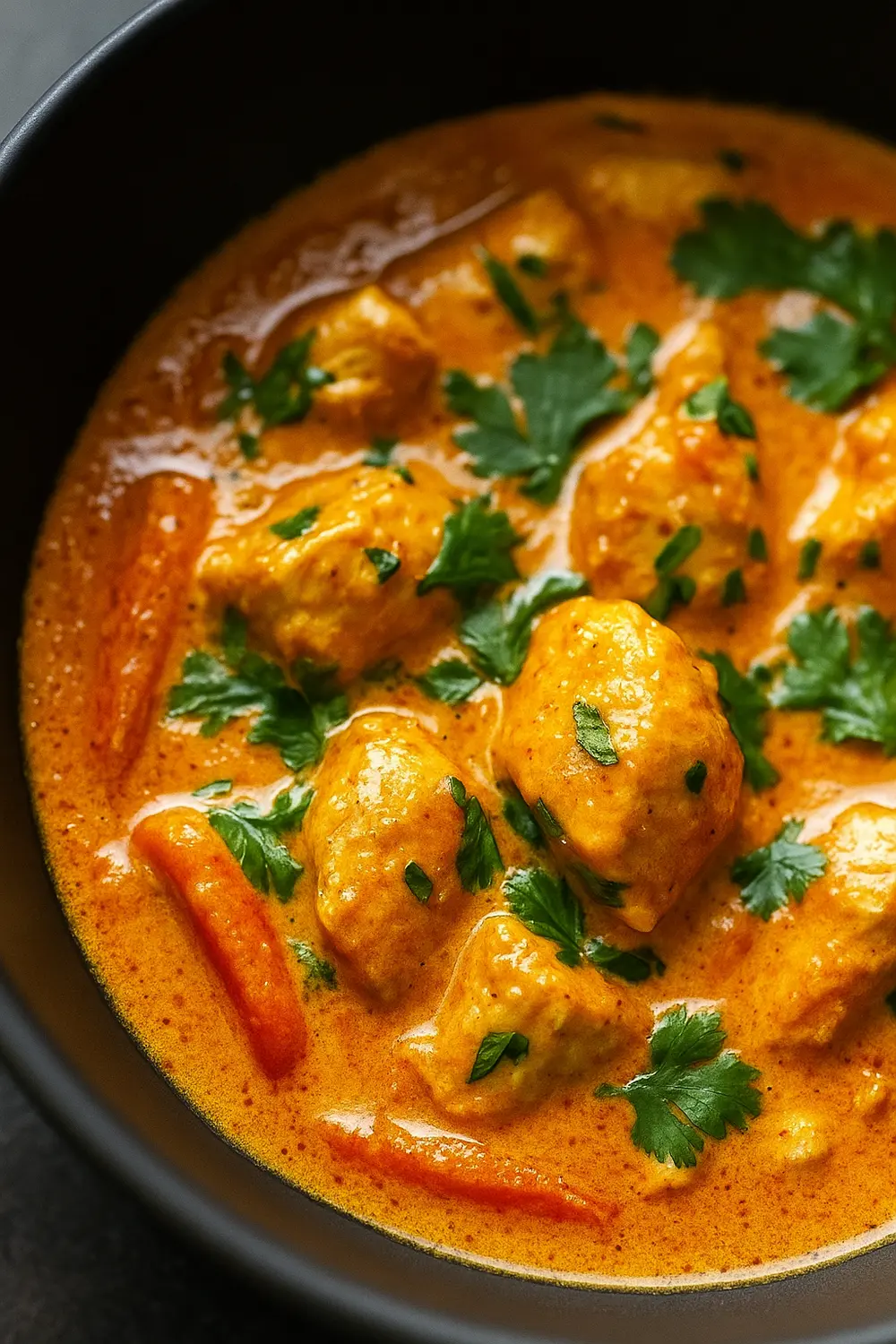
Equipment You Need for Making Coconut Chicken Curry
You don’t need a professional kitchen to whip up this delicious curry. Here are the must-have kitchen gadgets that will make the process smooth and enjoyable:
- Large Skillet or Dutch Oven: A heavy-bottomed pan with a lid is ideal. It provides even heat distribution for sautéing aromatics and spices, and ample space for simmering the curry without overcrowding.
- Cutting Board and Sharp Chef’s Knife: For safely and efficiently dicing onions, mincing garlic and ginger, and cubing the chicken.
- Measuring Cups and Spoons: Accuracy in ingredients, especially spices, ensures a balanced flavor profile.
- Grater or Microplane: Perfect for finely grating fresh ginger, ensuring it melts seamlessly into the sauce.
- Wooden Spoon or Heat-Resistant Spatula: For stirring, scraping the bottom of the pan, and ensuring nothing sticks or burns.
- Ladle: For serving the finished curry into bowls.
Nutritional Benefits of Coconut Chicken Curry
Beyond its incredible taste, this coconut chicken curry offers several nutritional health benefits, making it a wholesome meal choice:
- High in Protein: Chicken is an excellent source of lean protein, essential for muscle repair, growth, and overall satiety.
- Healthy Fats from Coconut Milk: Full-fat coconut milk provides beneficial medium-chain triglycerides (MCTs), which can be a quick source of energy and support heart health.
- Rich in Minerals: The array of spices like turmeric, cumin, and coriander contributes antioxidants and anti-inflammatory properties.
- Rich in Vitamins: When vegetables like bell peppers, spinach, or peas are added, the dish becomes even richer in vitamins (like Vitamin A and C) and minerals (such as iron and potassium).
- Gluten-Free and Dairy-Free: Naturally free of gluten and dairy (when prepared without yogurt or other dairy products), it’s suitable for those with dietary restrictions.
- Good Source of Fiber: Ingredients like onions, garlic, and optional vegetables contribute dietary fiber, aiding in digestion.
What to Serve or Pair with Coconut Chicken Curry
This versatile curry pairs beautifully with a variety of accompaniments, allowing you to customize your meal experience:
- Rice: The classic pairing! Fluffy white rice, such as basmati or jasmine, is perfect for soaking up every last drop of the rich, creamy sauce. For a lower-carb option, cauliflower rice is an excellent substitute.
- Naan Bread or Roti: Warm, soft flatbreads are ideal for scooping up the delicious curry sauce, offering a different textural experience.
- Other Grains: Quinoa or other grains can also be served as a wholesome base.
- Vegetables: While the curry can include vegetables, a simple side salad or steamed green beans can add freshness and crunch.
- Cooling Sides: A dollop of plain yogurt (if not strictly dairy-free) or a simple cucumber raita can provide a refreshing contrast to the curry’s warmth and spice.
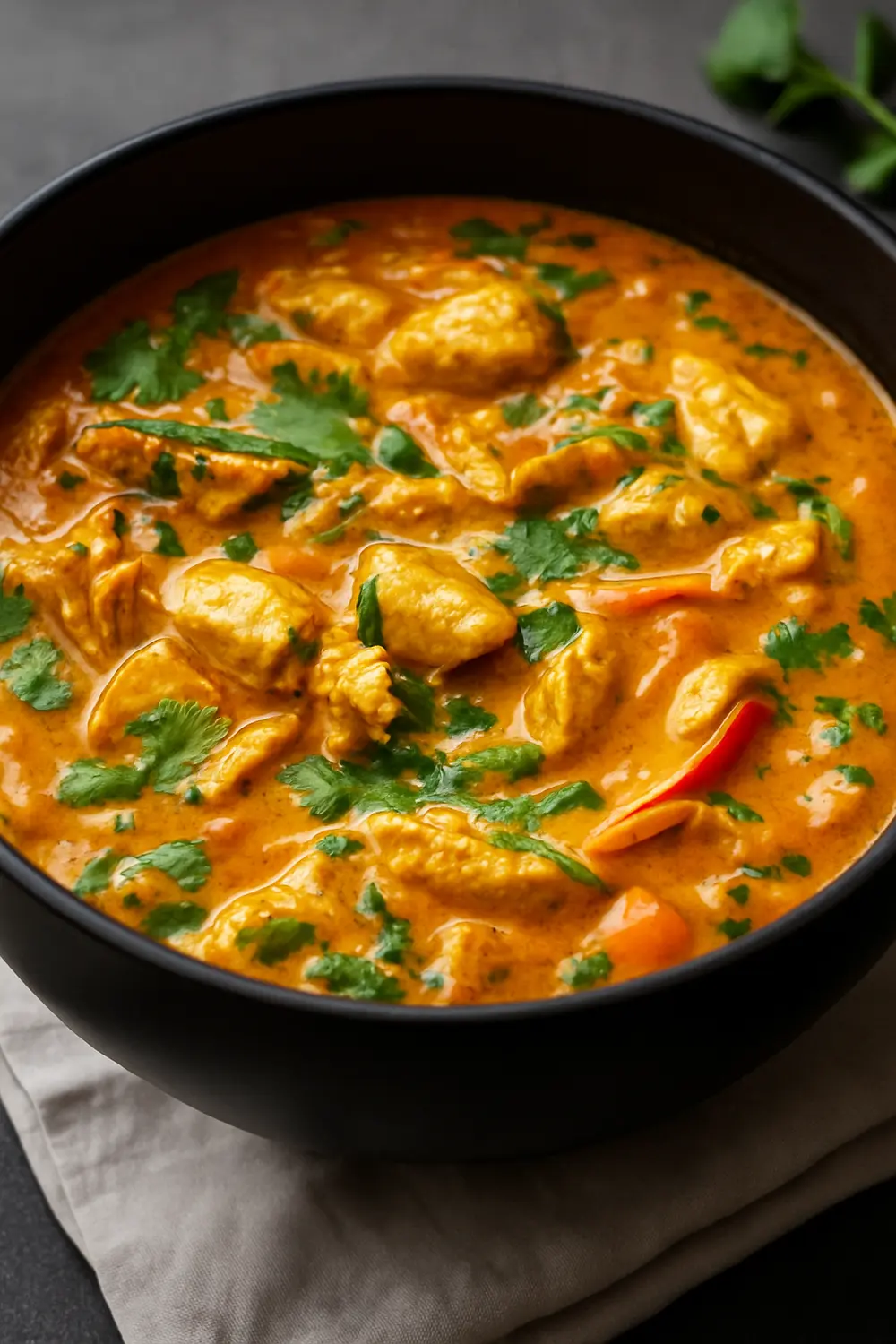
Chef’s Secrets for Making the Best Coconut Chicken Curry
To elevate a coconut chicken curry from merely “good” to truly “unforgettable,” a few insider tips can make a significant difference. These subtle tweaks can enhance the overall dish.
1. Embrace Full-Fat Coconut Milk
- It cannot be stressed enough, always opt for full-fat, unsweetened coconut milk.
- This is the secret to achieving that luscious, velvety texture and rich, authentic coconut flavor that truly defines a creamy coconut curry.
- Lighter versions will inevitably result in a thinner, less satisfying sauce.
2. Don’t Rush the Aromatics & Spices
- This is the stage where the true depth of flavor begins to develop.
- Taking the time to patiently sauté the onions until they are soft and translucent is crucial.
- Equally important is to “bloom” the dry spices in hot oil for a minute or two.
- This process releases their aromatic oils, intensifying their flavor and preventing a raw, powdery taste in the final dish.
3. Gentle Simmering is Key
- Once the coconut milk is added, it is imperative to maintain a gentle simmer, not a rapid, rolling boil.
- High heat can cause the coconut milk to separate or curdle, leading to a grainy or oily texture.
- A slow, steady simmer allows the flavors to meld beautifully and the chicken to become incredibly tender without compromising the sauce’s smooth consistency.
4. Consider Chicken Thighs for Tenderness
- While chicken breast is a viable option, boneless, skinless chicken thighs are far more forgiving and significantly less prone to drying out during the simmering process.
- Their slightly higher fat content also contributes to a richer mouthfeel in the finished curry.
5. Add Fresh Herbs for a Pop
- A generous sprinkle of fresh cilantro at the very end is not merely for aesthetic appeal.
- Its bright, herbaceous notes provide a refreshing contrast to the rich curry, making the complex flavors truly pop and come alive on the palate.
6. Make Ahead for Better Flavor
- Chicken curry, much like many stews and braises, often tastes even better the next day. The flavors have more time to meld and deepen.
- This makes coconut chicken curry an excellent choice for meal prepping.
7. Balance is Everything
- A truly great coconut chicken curry is a symphony of flavors: savory, spicy, sweet, and tangy.
- Do not hesitate to adjust the brown sugar for sweetness, lime juice for acidity, and cayenne pepper or curry paste for heat.
- Tasting as one cooks, and adjusting along the way, is the path to finding the perfect balance for individual preferences.
Final Remarks
This coconut chicken curry recipe effectively bridges culinary traditions, incorporating aromatic Indian dry spices with the creamy, bright characteristics of Thai curries.
The dish’s broad appeal stems from its ability to blend comforting, rich flavors with remarkable ease of preparation, making it an ideal choice for busy weeknights.
Gather your ingredients, follow the simple steps below, and don’t forget to share your delicious results.
Happy cooking!
- Delicious Mediterranean meals
- High-protein weekly meal plan
- 30-day carnivore diet plan
- Healthy prepared meals for seniors
- Healthy high-protein vegetarian meals
- Simple clean eating meals
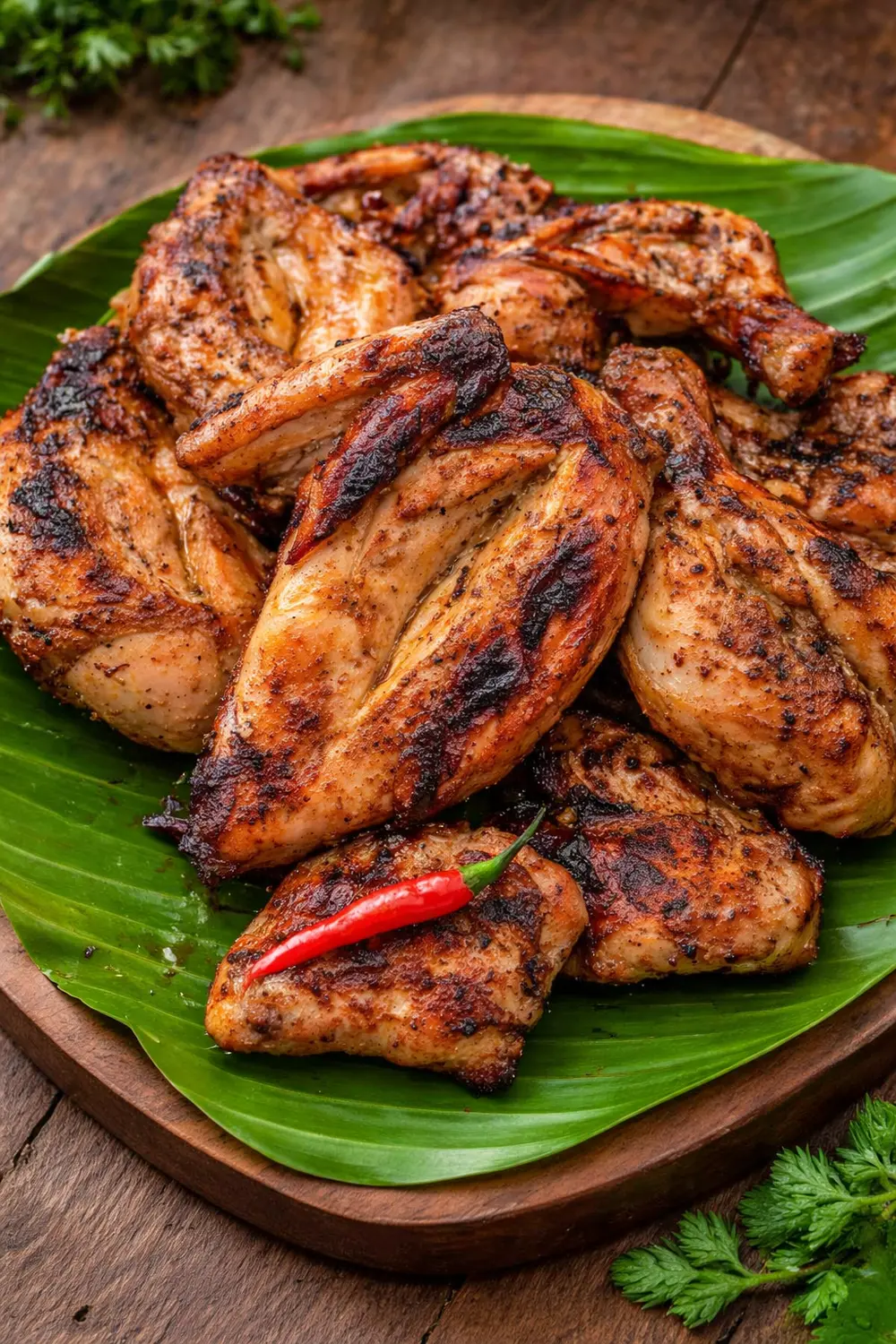
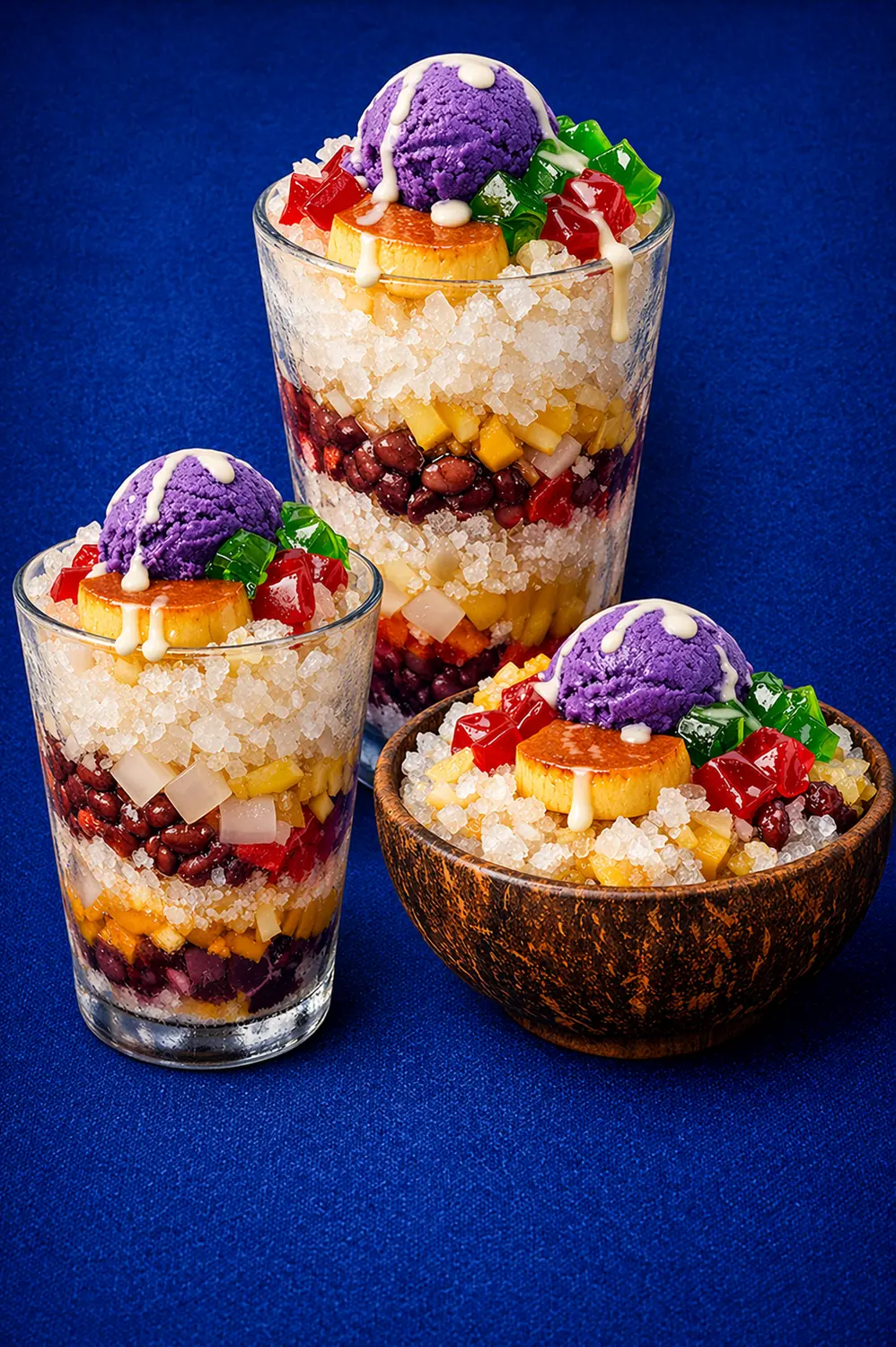
Keep exploring with our spiced grilled chicken meal and shaved-ice beverage cups, then try grilled gai yang bites, goat cheese flatbread bites, and slow-cooked lamb rogan josh, and an entire whole-foods week plus a pantry-clean eating plan from Santiago Maricel.
This article is for information only and is not medical advice. Read our full disclaimer.