Filipino Chicken Adobo is one of the most beloved dishes in the Philippines, celebrated for its bold, savory, and tangy flavors that make every bite unforgettable.
The word “adobo” comes from the Spanish term for marinade, and although its roots trace back to colonial history, the dish has since evolved into a distinct and celebrated Filipino culinary tradition.
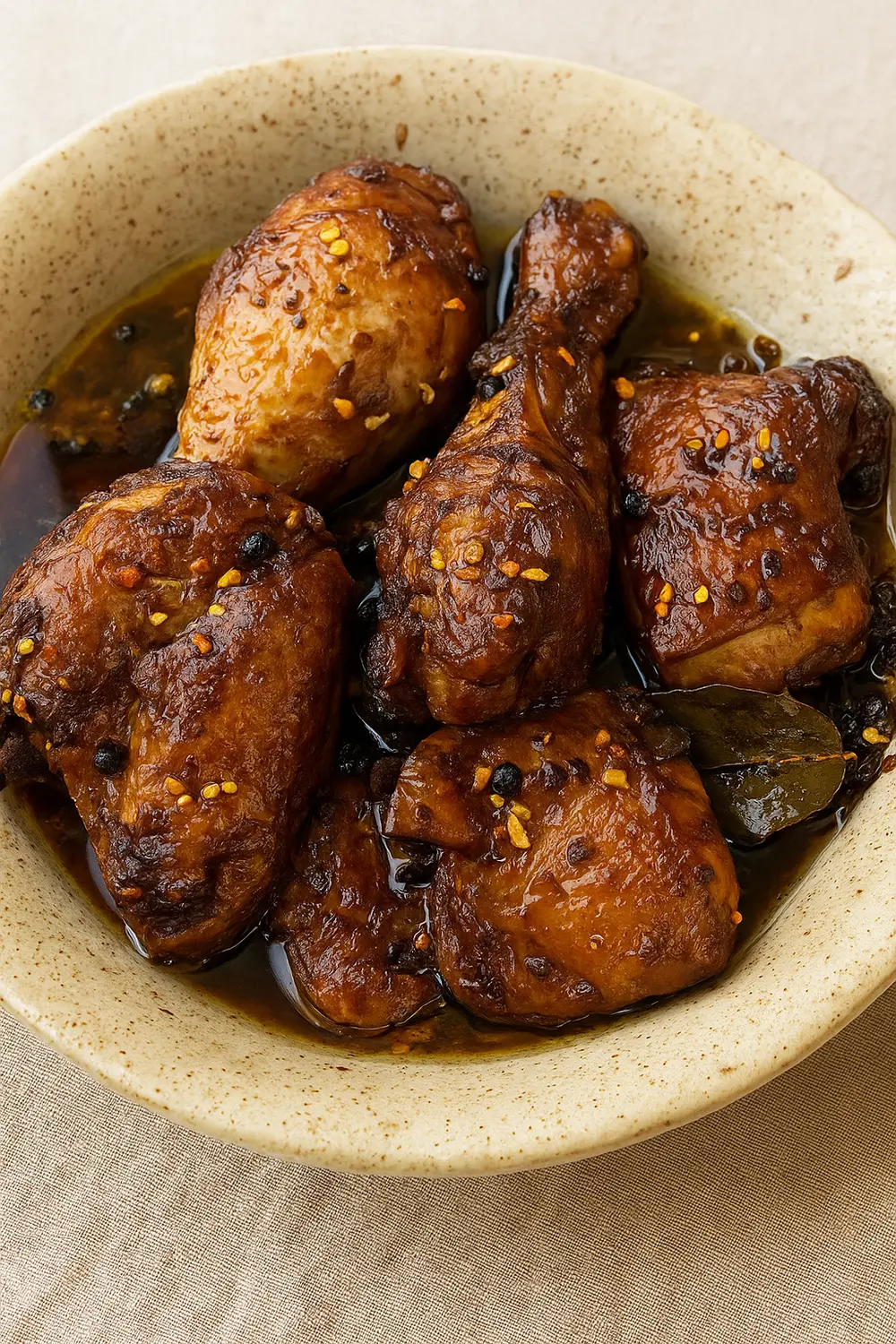
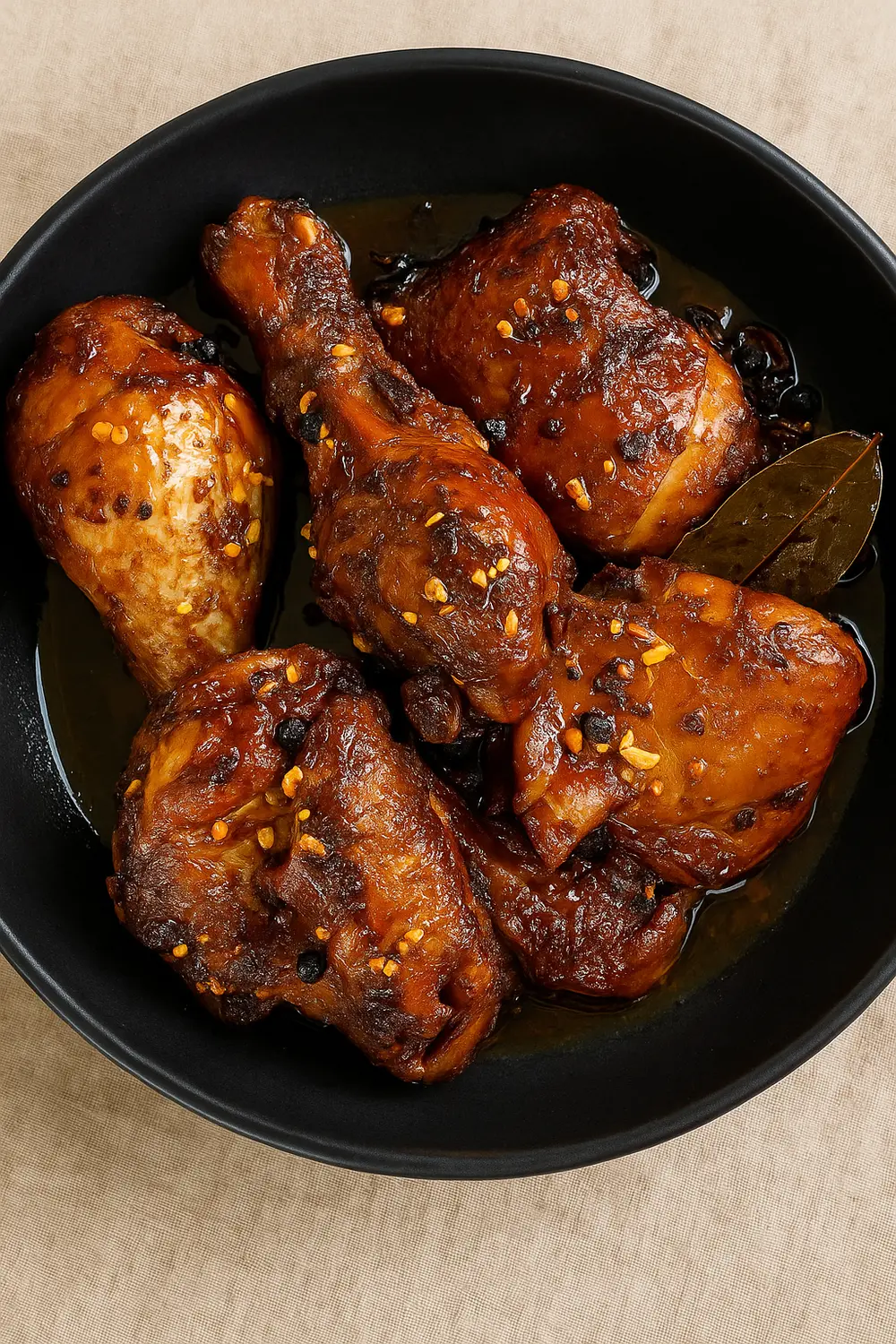
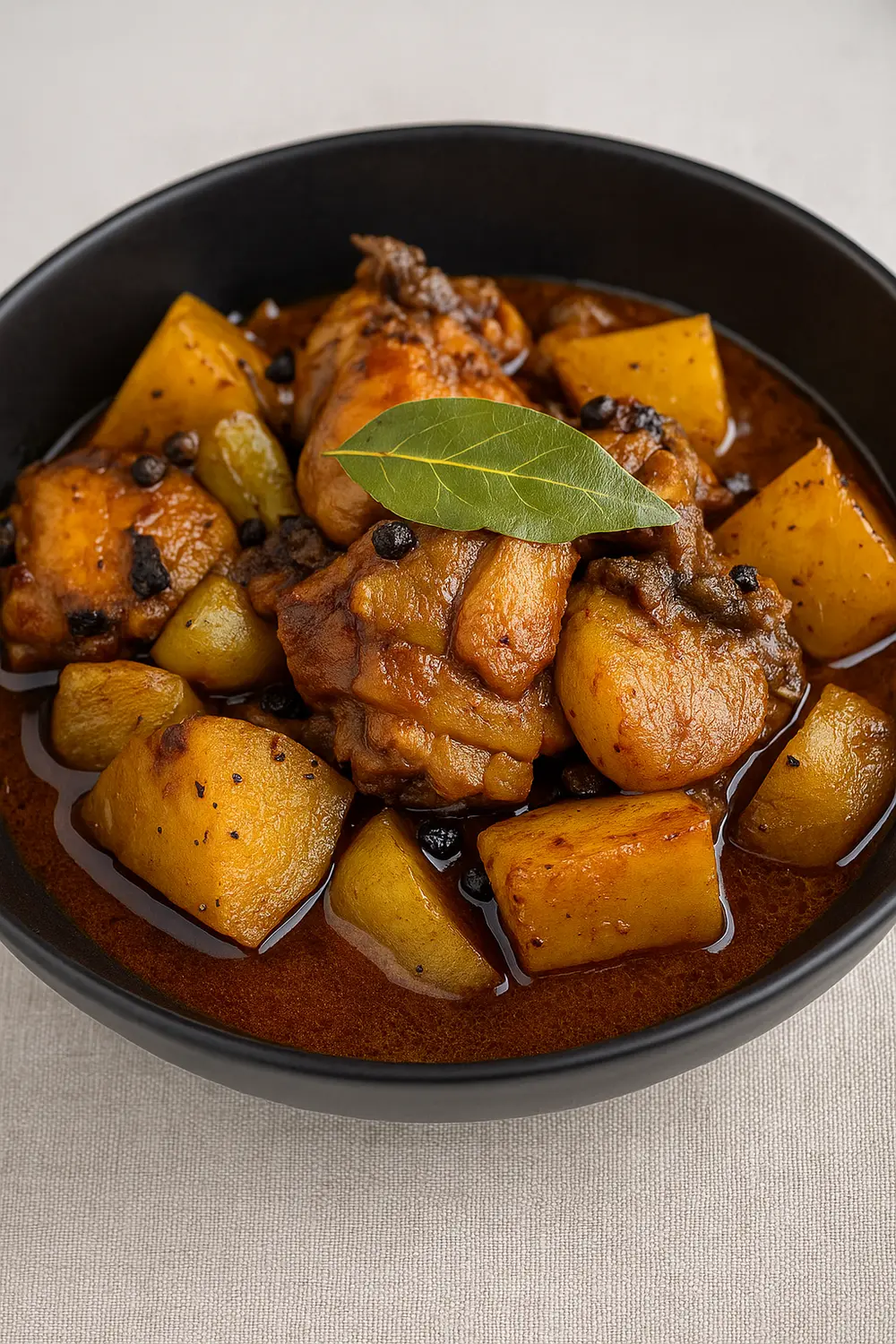
This Filipino chicken adobo recipe features tender chicken and soft potatoes simmered slowly in a garlicky blend of soy sauce, vinegar, and aromatic spices for a bold, savory flavor.
This chicken adobo Filipino recipe is easy to make, serves six, and is perfect for family dinners, Christmas dinners, meal prep, or sharing with friends.
You can pair adobo chicken with steamed white rice, garlic fried rice, sautéed vegetables, or a fresh side salad to balance the rich, savory flavors. Rice-heavy plates balance out with vegetables. Balanced-plate basics from Healthline walk through building one.
Adobo carries a sense of nostalgia and cultural pride, as many Filipinos grow up watching their parents or grandparents prepare it, with its aroma evoking memories of family gatherings and holiday celebrations.
Key Ingredients for This Filipino Chicken Adobo Recipe
The ingredients in this Filipino chicken adobo recipe create its signature savory, tangy, and aromatic flavor, with each component playing an essential role in building the rich, comforting sauce that makes this dish so beloved.
1. Chicken
- The star protein in this dish, chicken thighs or drumsticks offer a rich flavor and natural fattiness that keeps the meat juicy during slow simmering.
- Their bone‑in, skin‑on form helps lock in moisture and adds extra depth to the overall flavor profile.
2. Vinegar
- Vinegar provides the signature tangy acidity of adobo, which balances the savory elements.
- Traditional cane vinegar offers a mild, slightly sweet bite, but white or apple cider vinegar work well too.
3. Soy Sauce
- This ingredient contributes deep umami and a harmonious salty-sweet flavor. It forms the foundation of the adobo sauce, binding the other ingredients together.
4. Oyster Sauce
- A key enhancer in the sauce, oyster sauce delivers a rich, savory layer of flavor. Its slight sweetness and depth boost the overall umami, complementing both the chicken and the tangy vinegar.
5. Aromatics
- Aromatics such as garlic, bay leaves, and black peppercorns are crucial for building the complex flavor profile of adobo.
- Smashed garlic releases a robust aroma and taste; dried bay leaves add a subtle herbal note; and whole peppercorns contribute a gentle heat and earthiness that ties everything together.
6. Potatoes
- Adding white potato chunks not only gives the dish a hearty texture but also allows them to absorb the tangy and savory sauce, creating a comforting and satisfying bite.
7. Chipotle Peppers & Sugar
- For a modern twist, chipotle peppers in adobo sauce can introduce a smoky, mildly spicy note. A pinch of sugar may be added to balance the vinegar’s sharp tang, if desired.
8. Cooking Oil
- A neutral cooking oil (such as vegetable or canola oil) is essential for searing the chicken and toasting the aromatics. It helps develop a flavorful fond on the bottom of the pot, which becomes a key component of the adobo sauce.
Essential Tools Needed for This Adobo Chicken Recipe
With just a few basic kitchen tools, you can easily prepare this classic dish, ensuring even cooking and perfect results every time.
- Dutch Oven or Heavy Bottomed Pot: This is ideal for achieving an even sear and ensuring a consistent, gentle simmer. Its heavy construction helps retain heat, crucial for the slow-cooking process.
- Large Bowl: For marinating the chicken. A bowl large enough to hold all pieces ensures even coating and flavor distribution.
- Sharp Knife and Cutting Board: Essential for prepping ingredients like garlic, potatoes, and any other vegetables. A good knife makes slicing and chopping quick and efficient.
- Wooden Spoon: Perfect for stirring, scraping the bottom of the pot, and ensuring that all the browned bits, which are flavor gold, are incorporated into the sauce.
- Tongs: Useful for transferring the chicken safely from the pot to the baking sheet, especially during the broiling step.
- Baking Sheet and Aluminum Foil: These are needed for the final broiling step to crisp up the chicken and finish off the dish with a beautiful caramelized exterior.
- Measuring Cups and Spoons: For accurate measurement of liquids and seasonings to ensure the right balance of flavors.
Nutritional Benefits of Chicken Adobo
Chicken adobo is a nutritional powerhouse, offering a variety of health benefits:
- High Protein Content: Packed with lean protein, chicken provides essential amino acids that help build and repair muscles, support metabolic function, and keep you feeling fuller for longer.
- Rich in Antioxidants: Garlic, one of the core aromatics in adobo, is rich in antioxidants and has natural immune-boosting properties; it may also contribute to improved heart health and lower blood pressure.
- Anti-Inflammatory Foods: Bay leaves contain anti-inflammatory compounds and aid digestion, making them a small but mighty ingredient.
- Low in Calories: Despite its robust flavor, adobo chicken is relatively low in calories, making it a satisfying yet healthy meal option.
- Regulate Blood Sugar: Vinegar, traditionally used in adobo, not only gives the dish its signature tang but also helps regulate blood sugar levels and supports gut health with its natural antimicrobial properties.
- Fiber-Rich: Potatoes are an excellent source of dietary fiber, which promotes healthy digestion and supports gut health by aiding regular bowel movements.
- Abundance of Essential Vitamins: Chicken, along with the aromatics in this dish, contributes important vitamins like B vitamins for energy metabolism and immune support, while other ingredients offer antioxidants that help maintain overall wellness.
- High Mineral Content: The combination of chicken and potatoes delivers a good source of essential minerals such as iron, potassium, and zinc, which play vital roles in maintaining healthy muscles, nerve function, and a robust immune system.
- Balanced Macros: With a good mix of protein, a moderate amount of fat, and carbohydrates from potatoes and any accompanying rice, this dish offers a balanced nutritional profile.
What to Serve or Pair With Adobo Chicken
For a truly authentic Filipino dining experience, serving chicken adobo with the right sides can elevate the dish and offer a complete meal that embraces the flavors and traditions of the Philippines.
1. Steamed White Rice
- The most traditional and essential side for chicken adobo is steamed white rice.
- The fluffy, neutral flavor of the rice pairs perfectly with the savory, tangy, and slightly salty adobo sauce, allowing the bold flavors of the chicken and marinade to shine.
2. Garlic Rice (Sinangag)
- This Filipino chicken adobo recipe is made by stir-frying leftover rice with garlic and a bit of oil.
- It’s aromatic, savory, and a perfect complement to the richness of adobo, making the meal even more satisfying.
3. Atchara (Pickled Papaya)
- For a sweet and tangy contrast, atchara, a Filipino pickled green papaya, is a great accompaniment.
- Its crisp texture and vibrant flavor balance out the richness of the chicken adobo, offering a refreshing and zesty bite that cuts through the dish’s savory profile.
4. Kangkong or Filipino-Style Sautéed Vegetables
- To add some green and nutritional balance to your meal, serve your chicken adobo with kangkong (water spinach) sautéed with garlic, onions, and a splash of fish sauce.
- This simple vegetable dish is a staple in Filipino cuisine and pairs wonderfully with the deep flavors of adobo.
- Alternatively, any sautéed leafy greens like malunggay (moringa) or talinum also make excellent choices.
5. Banana Chips or Fried Plantains
- If you’re looking to introduce a little sweetness into the meal, banana chips or fried plantains make an excellent pairing.
- The crispiness of the fried bananas complements the savory chicken, while the natural sweetness offers a pleasant contrast to the salty adobo.
6. Filipino Pancit (Noodles)
- A Filipino feast wouldn’t be complete without pancit, a dish of stir-fried noodles often served during celebrations.
- While not traditional with adobo, pancit canton adds a wonderful textural contrast and a burst of flavor to the meal.
7. Lemon or Calamansi
- For an extra touch of freshness, serve your adobo chicken with a wedge of lemon or calamansi, a small lime native to the Philippines.
- Squeezing a bit of fresh juice over the dish enhances the flavors, adding a touch of acidity that brightens the rich, savory sauce.
Tips for Making the Best Chicken Adobo
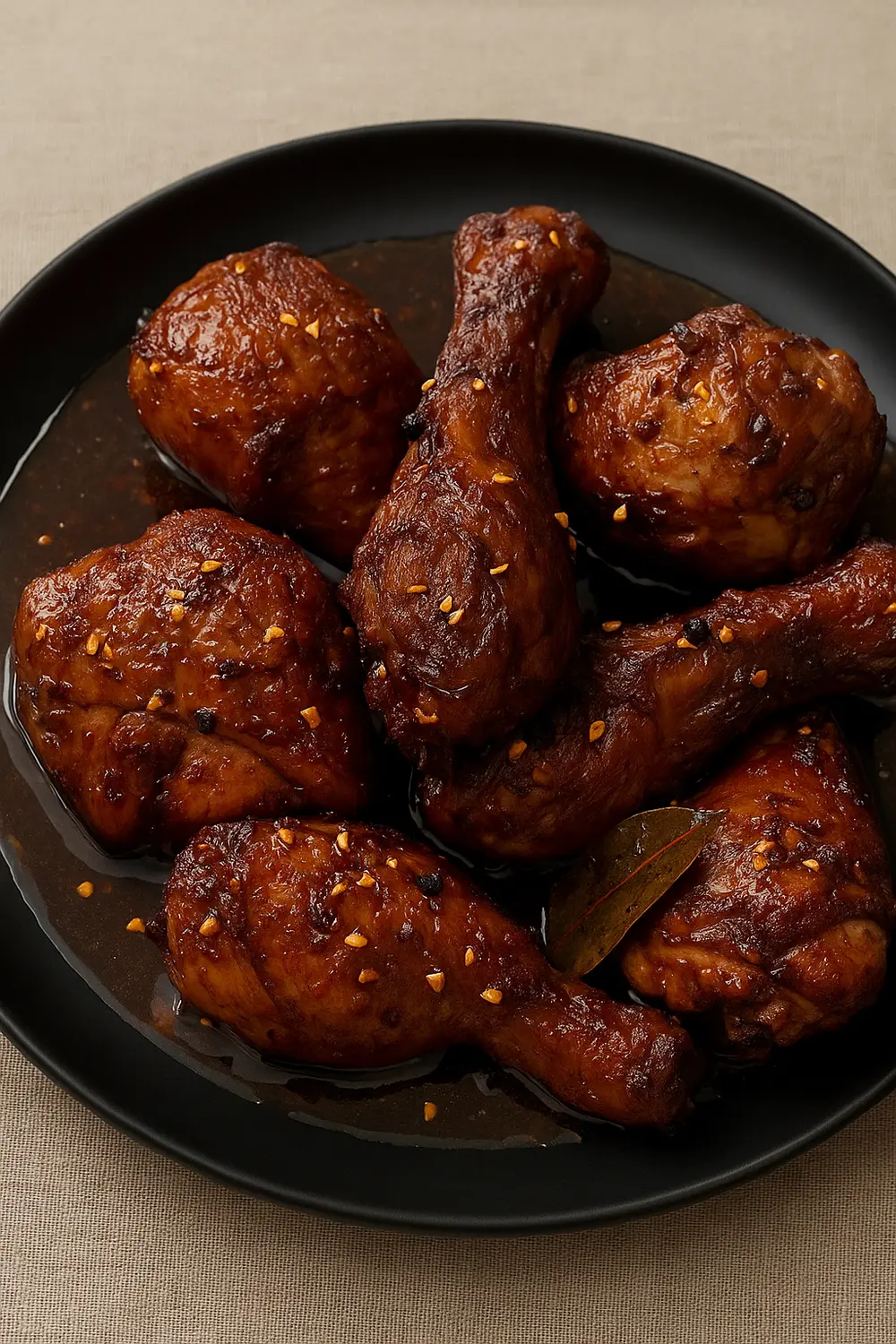
To make the best chicken adobo, focus on balancing the tangy and savory flavors, using fresh ingredients, and cooking the chicken slowly so it becomes tender and infused with the rich, garlicky sauce.
1. Use Bone-In, Skin-On Chicken
For maximum flavor and tenderness, use bone-in, skin-on chicken pieces, as the bones enrich the sauce and give it a deeper, more savory taste. Bone-in cuts cook up juicier and stretch further. For background, see the protein guidance from Harvard's Nutrition Source.
The skin helps lock in moisture, keeping the meat juicy and succulent, while thighs and drumsticks remain perfectly tender even after slow simmering in the adobo sauce.
2. Balance the Vinegar and Soy Sauce
The hallmark of chicken adobo is its tangy-salty sauce, so start with equal parts soy sauce and vinegar and adjust as you cook to achieve the perfect balance.
Some prefer a slightly tangier flavor while others like it saltier, making it important to taste the sauce as it simmers and tweak it to your liking.
3. Don’t Skip the Garlic
Garlic is essential for authentic chicken adobo flavor, and using fresh, finely minced garlic sautéed briefly before adding the chicken creates a fragrant base.
This simple step elevates the overall depth of the dish, infusing every bite with aromatic, savory notes.
4. Simmer the Chicken Slowly
Cook the chicken over low to medium heat so it can absorb all the flavors of the sauce thoroughly.
A gentle simmer prevents the meat from drying out and allows the sauce to thicken naturally into a rich, savory coating.
5. Add Potatoes or Hard-Boiled Eggs
Adding potatoes allows them to soak up the adobo sauce, making the dish heartier and more comforting.
Hard-boiled eggs are another great addition, bringing extra richness and texture that pairs beautifully with the savory chicken.
6. Include Aromatics for Depth
Bay leaves, black peppercorns, and a touch of onion add subtle layers of flavor that enhance the sauce without overpowering the chicken.
These simple aromatics create a more complex and well-rounded taste that makes the dish truly memorable.
7. Let It Rest for Maximum Flavor
Adobo tastes even better the next day. Allowing the dish to rest in the refrigerator overnight lets the flavors meld, resulting in a richer, more savory sauce.
8. Caramelize the Sauce
Simmering the sauce a little longer until it reduces and caramelizes adds a slightly sweeter, deeper flavor, giving the chicken adobo a glossy, rich finish that looks as good as it tastes.
Final Remarks
This Filipino chicken adobo recipe is a perfect balance of savory, tangy, and garlicky flavors, with tender chicken and soft potatoes simmered to perfection in a rich, aromatic sauce.
Feel free to customize it by adding hard-boiled eggs, extra potatoes, or even a touch of coconut milk for a creamier twist, or adjust the soy-vinegar ratio to suit your taste.
Pair it with steamed white rice, garlic fried rice, or sautéed vegetables for a complete meal that’s comforting and satisfying for any occasion.
If you give this adobo chicken recipe a try, we’d love to hear how it turned out, share your version, or drop your thoughts in the comments.
You’ll find the complete list of ingredients and step-by-step cooking instructions just below.
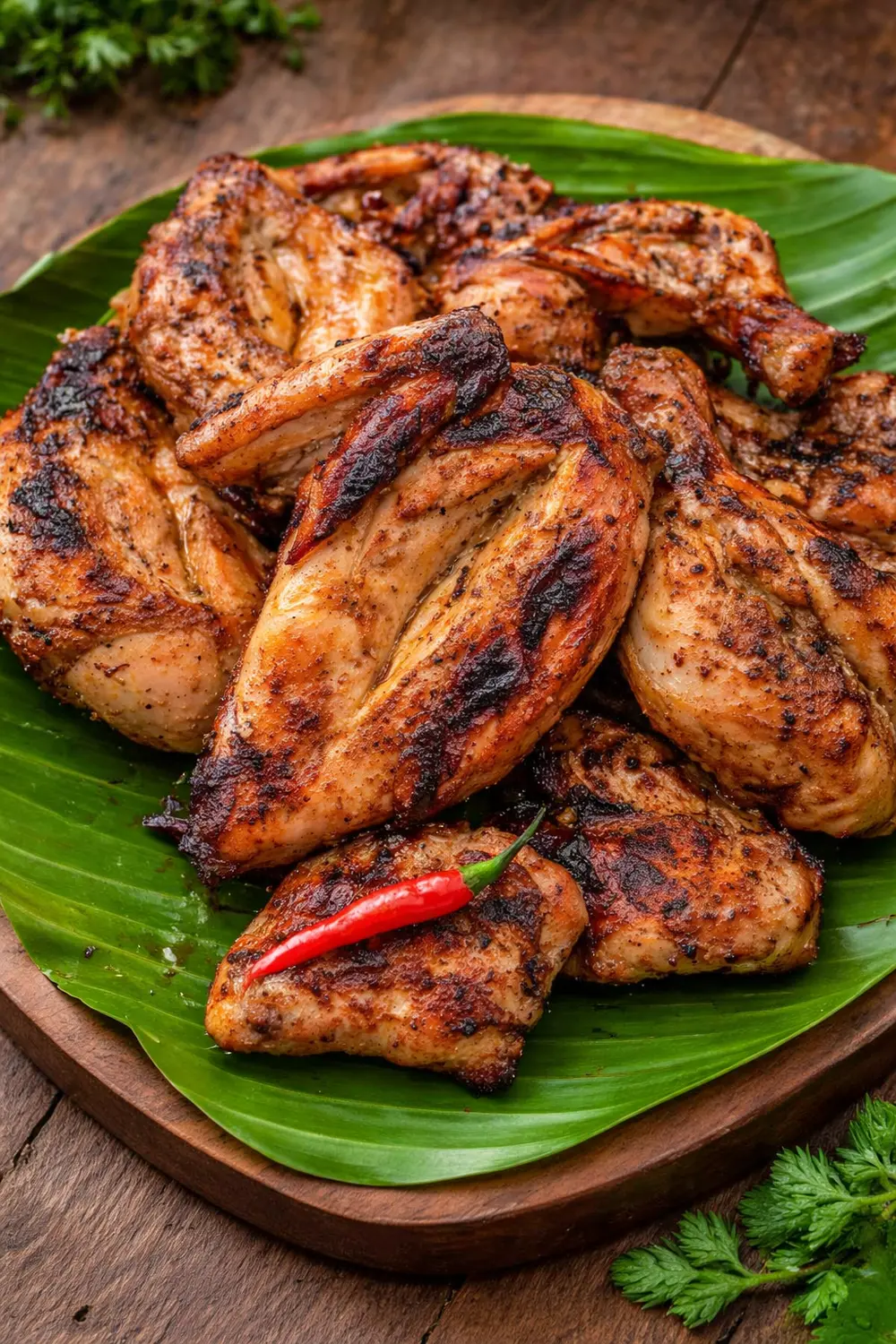
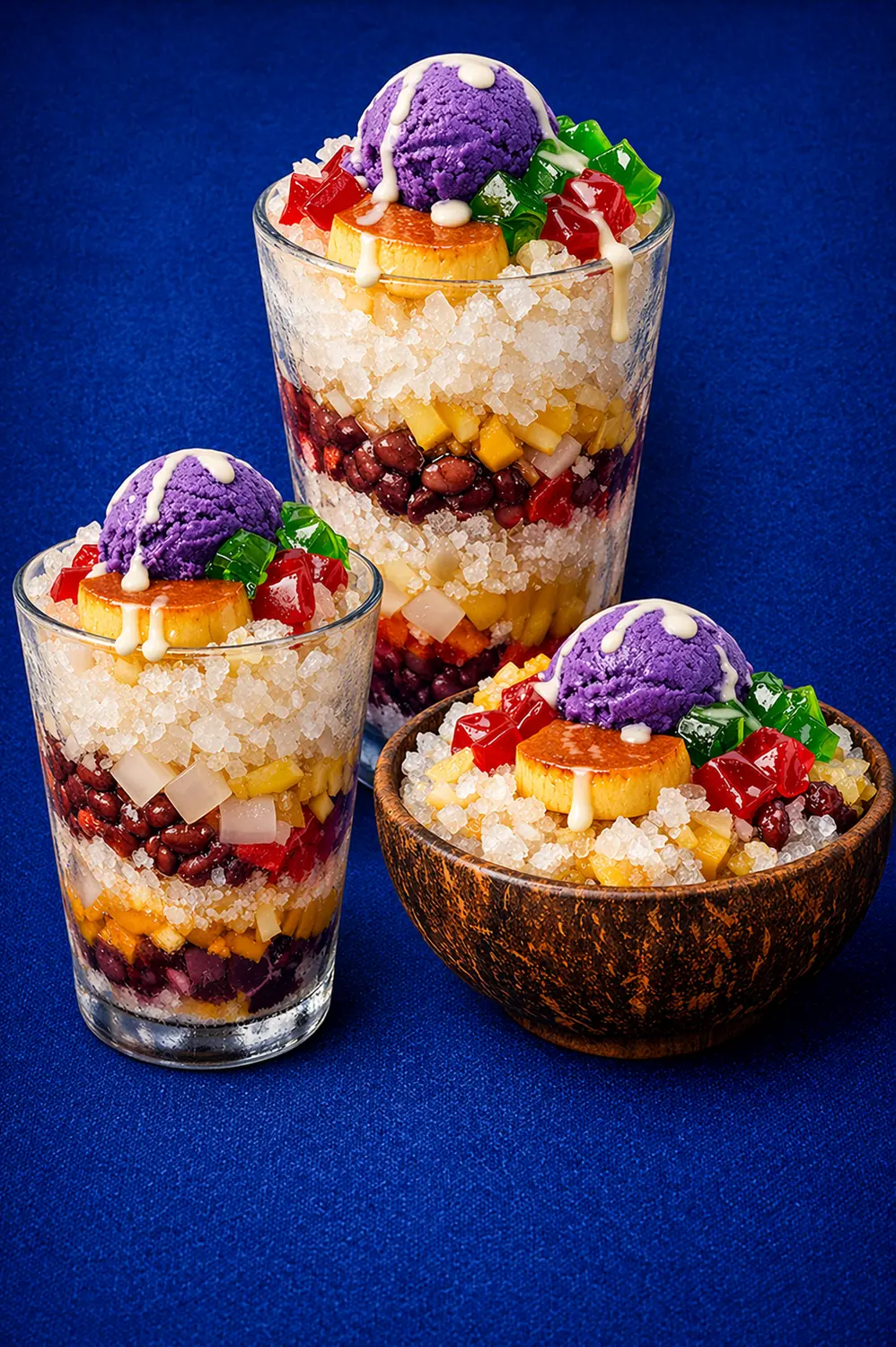
Keep exploring with our smoky Bacolod-style grilled chicken and frosty shaved-ice dessert cups, then try a blackberry mint cooler, a bacon egg breakfast wrap, and a feta-topped beef skillet, with weekday protein prep boxes and a rice-smarter eating guide over on Santiago Maricel.
This article is for information only and is not medical advice. Read our full disclaimer.