If you’ve ever been lucky enough to taste a truly home-cooked dish from Uganda, you know how the food there is often delicious and fresh.
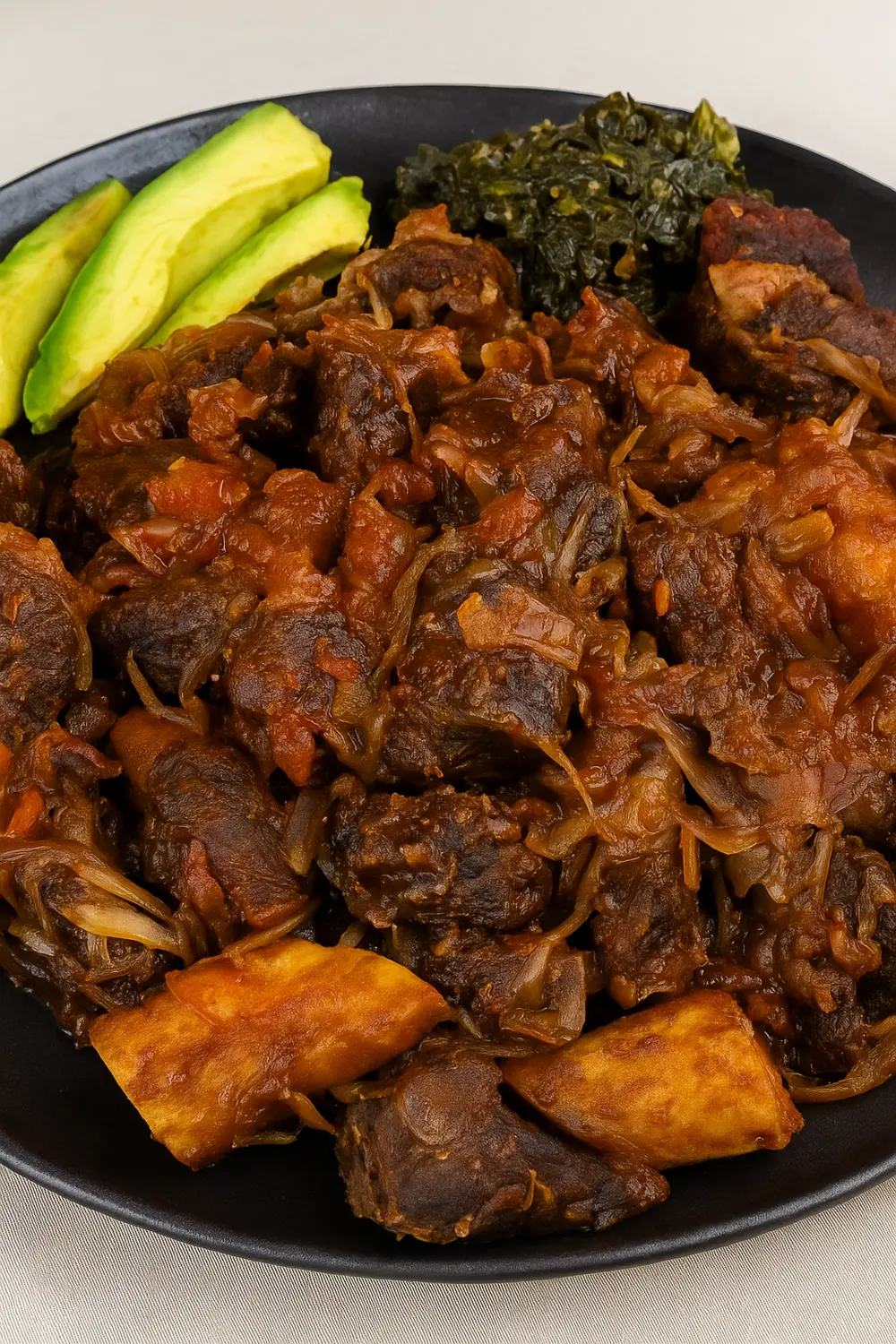
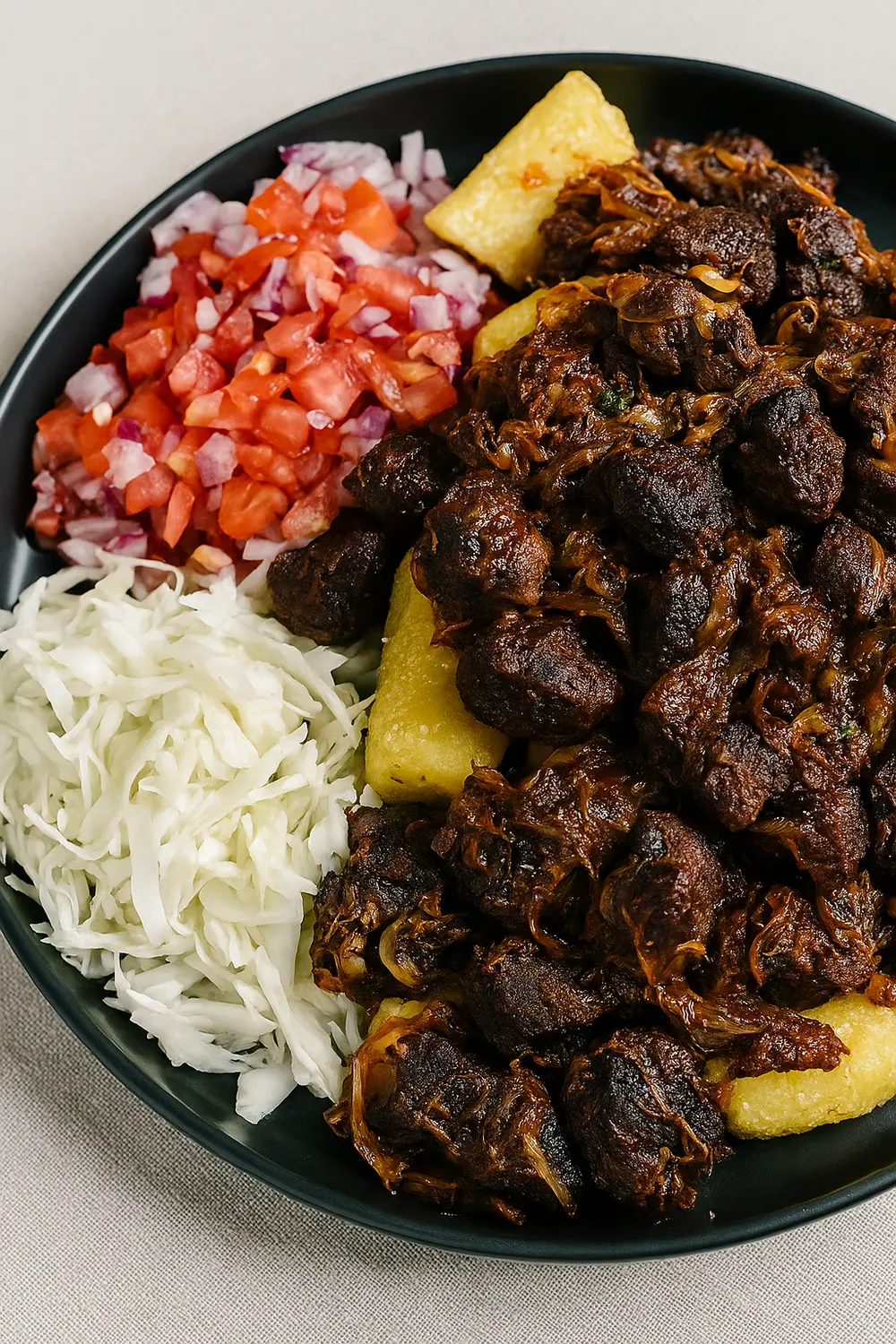
This Ugandan pork stir fry recipe features crispy pan-fried pork with tomatoes and onions, then served with traditional fried matooke (cooked green bananas), fresh avocado, and a refreshing tomato and onion kachumbari salad. Crispy pork plus kachumbari balances. Harvard's Nutrition Source shares pork-stir-fry notes.
Originally consumed by specific communities due to cultural and religious reasons, pork has gained widespread acceptance across Uganda, with Kikalayi pork emerging as a preferred dish for its robust, satisfying flavor.
Kikalayi pork gets its name from kalayi, meaning “wok,” which is commonly used to prepare pork stir fry dishes in Uganda.
Matooke, made from green bananas, can be tricky to peel and is high in carbs, so if you’re aiming for a low carb meal, you can skip it or substitute it with another side.
This pork stir fry recipe serves six, is easy to make, and is traditionally enjoyed from one large tray, with everyone gathered around to share. Tray-serve suppers gather crowds. Tray-serve guidance from Healthline walks through it.
It’s a perfect dish for gatherings, especially during football matches, most famously the English Premier League, which is hugely popular in Uganda.
For this recipe, you can either use pork shoulder for the best texture, pork belly for extra richness (though it cooks more slowly), or pork tenderloin for quicker cooking, but it can dry out easily.
Key Ingredients for This Ugandan Pork Stir Fry Recipe
Here are the key ingredients you will need for this Ugandan kikalayi pork recipe:
1. Pork
- Pork belly is ideal for this fried pork recipe because its fat content adds extra richness and a silky texture, creating the deep, savory mouthfeel that defines the dish.
- Pork shoulder has a good balance of meat and fat that fat melts with slow cooking and keeps the pieces juicy while the exterior crisps when pan-fried.
- Pork tenderloin is leaner and cooks fast, use it if you want less fat, but reduce simmering time to avoid dryness.
2. Matooke
- Matooke is a traditional Ugandan staple that’s soft, subtly starchy, and a little earthy. It’s the perfect neutral, comforting base to absorb the pork sauce.
- If matooke isn’t available, plantains, boiled cassava, roasted yams, boiled potatoes, or rice are all good choices.
3. Tomatoes & Onions
- These two ingredients form the flavorful base of the sauce, providing a rich, savory, and umami taste.
- When cooked properly, the tomatoes break down and the onions caramelize, forming a thick, clinging sauce that coats the pork.
4. Fresh Avocado
- Fresh avocado slices add a cool, creamy element that beautifully counterbalances the heat and spice, ensuring that every bite remains refreshing and well-rounded.
- Use just-ripe avocados, soft but not mushy.
5. Royco
- This is a well-known East African seasoning blend.
- It is a bouillon mix made from sun-dried herbs and spices that adds a deep, savory, and beefy flavor to the pork stir fry, which is integral to the authentic taste of the dish.
6. Cabbage
- Adding shredded cabbage introduces a delightful crunch and extra volume to Ugandan pork stir fry dishes.
- Napa or green cabbage both work.
7. Greens
- Greens such as sukuma wiki, collards, and spinach add earthy bitterness, color, and nutrients, and help round out the plate.
- Swiss chard or kale are suitable alternatives.
8. Kachumbari
- This is a fresh salad made with tomatoes, onions, and lime juice.
- It is not just a side dish but a vital component that provides a necessary acidic and crunchy contrast to the rich, heavy flavors of the fried pork.
9. Curry Powder
- East African curry powder is a fragrant blend of spices such as coriander, turmeric, cumin, fenugreek, cardamom, cloves, and cinnamon, giving dishes like Kikalayi pork their warm, savory depth.
- Simba mbili is mainly used, but Garam masala or a mild Madras blend can work as an alternative.
10. Neutral Oil
- Use high smoke point neutral oils like sunflower, vegetable, canola, or peanut oil.
- Cooking oil is used for frying the pork and matooke at high heat.
Essential Kitchen Tools Needed for Kikalayi Pork
Use top-rated, expert-recommended kitchen equipment:
- Wok (kalayi) or Large Skillet: A wok is ideal for its even heat distribution and ability to handle high-temperature stir-frying, but a large heavy-bottomed skillet works just as well.
- Cutting Board & Sharp Knife: A sturdy cutting board and sharp knife ensure precise, uniform cuts of pork and vegetables for even cooking.
- Mixing Bowls: Used for washing greens, preparing kachumbari, and mixing spices with other ingredients.
- Long-Handled Stainless Steel Tongs: These let you safely turn pork pieces while frying and lift food out of hot oil without splashing.
- Wooden Spoon or Metal Spatula: A wooden spoon is gentle on the wok, and a metal spatula is great for scraping fond in stainless steel pans.
- Measuring Spoons: Accurate measurements of spices and liquids guarantee consistency in flavor every time you prepare the dish.
- Colander: Useful for washing and draining the greens and keeps produce from sitting in dirty water.
- Ladle: Useful for safely scooping out most of the hot oil from the wok into a heatproof container without spilling.
Nutritional Benefits of Ugandan Pork Stir Fry
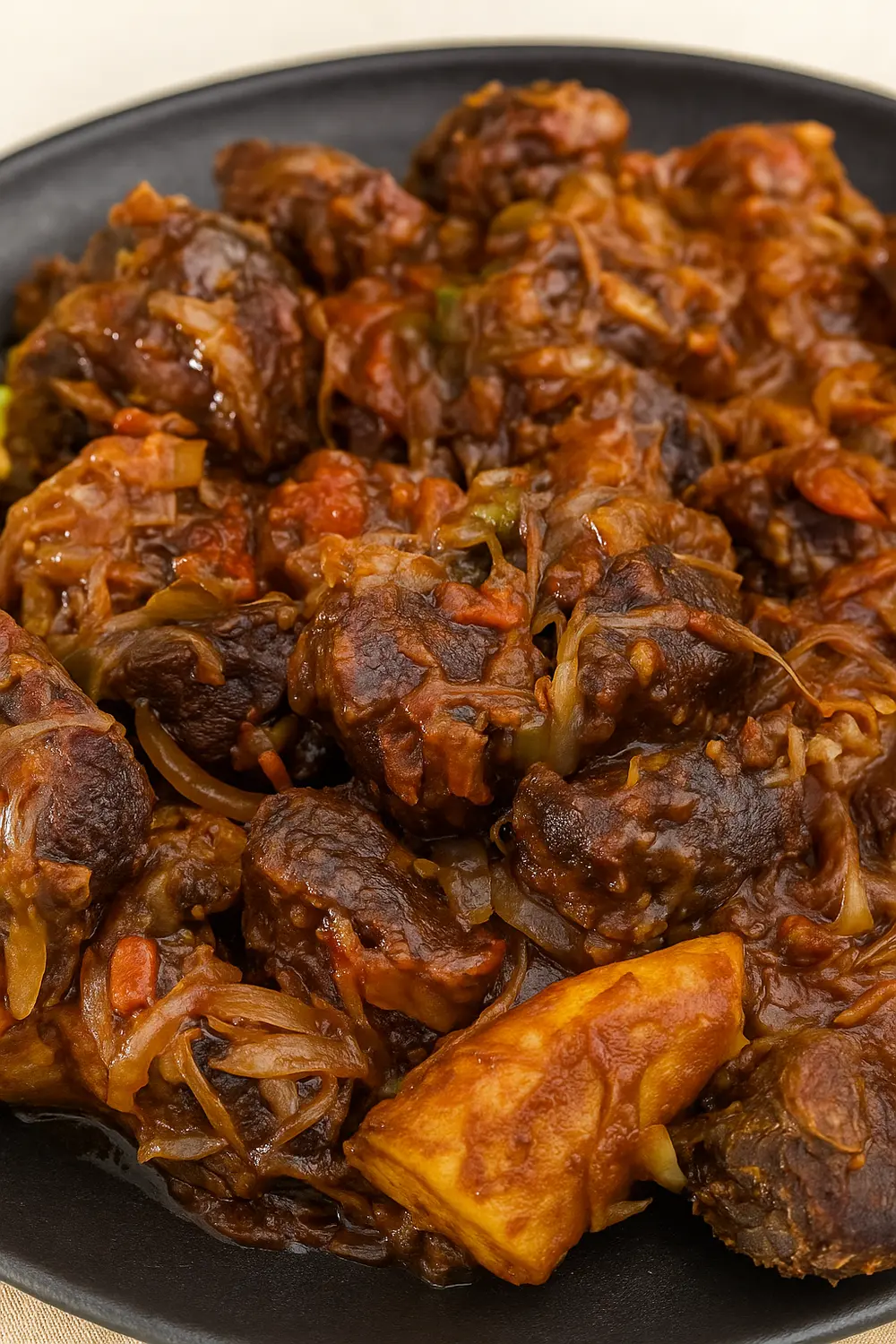
Crispy kikalayi pork with matooke and kachumbari eats festively while delivering weeknight-grade nourishment underneath the celebration.
- Forty Grams of Protein: Pan-fried pork brings around forty grams of satisfying protein per serving for lasting fullness. For background, see the tray-serve balance guidance from NIDDK.
- Fiber from Matooke and Veg: Ten grams of fiber from green bananas, tomatoes, and onions help the rich pork digest gently.
- Potassium Packed: Matooke and avocado contribute serious potassium for healthy fluid balance and normal muscle function.
- Communal Portions: Served from one shared tray, everyone takes reasonable portions naturally while enjoying together.
Why You’ll Love This Ugandan Fried Pork
Kikalayi pork is not only flavorful but also comes with several nutritional benefits:
- High Protein Content: Pork is a high-quality protein that provides all the essential amino acids needed for muscle repair and lasting fullness.
- Rich in B vitamins: Kikalayi pork is especially high in thiamine, niacin, and B12, which support energy metabolism, brain and nerve function, and healthy red blood cell production.
- Source of Iron: Pork contains easily absorbed heme iron, which helps prevent tiredness and supports steady oxygen delivery throughout the body.
- High in Zinc: A good source of zinc, pork strengthens the immune system, aids wound healing, and supports normal growth and development.
- Fiber from Sides: Served with matooke, cabbage, and kachumbari, this dish provides dietary fiber that supports digestion and keeps you satisfied.
- Healthy Fats: Pork belly and shoulder add richness and help absorb vitamins A, D, E, and K, while avocado provides heart-healthy fats that support cholesterol and heart health.
- Balanced Meal: With protein-rich pork, fiber-filled vegetables, and energy-giving carbs from matooke, Kikalayi pork is both hearty and nourishing.
- Anti-Inflammatory Benefits: Fresh vegetables like tomatoes, onions, cabbage, and avocado, along with spices in curry powder, provide antioxidants and compounds that help reduce inflammation and support overall health.
What to Pair with Ugandan Pork Stir Fry Dishes
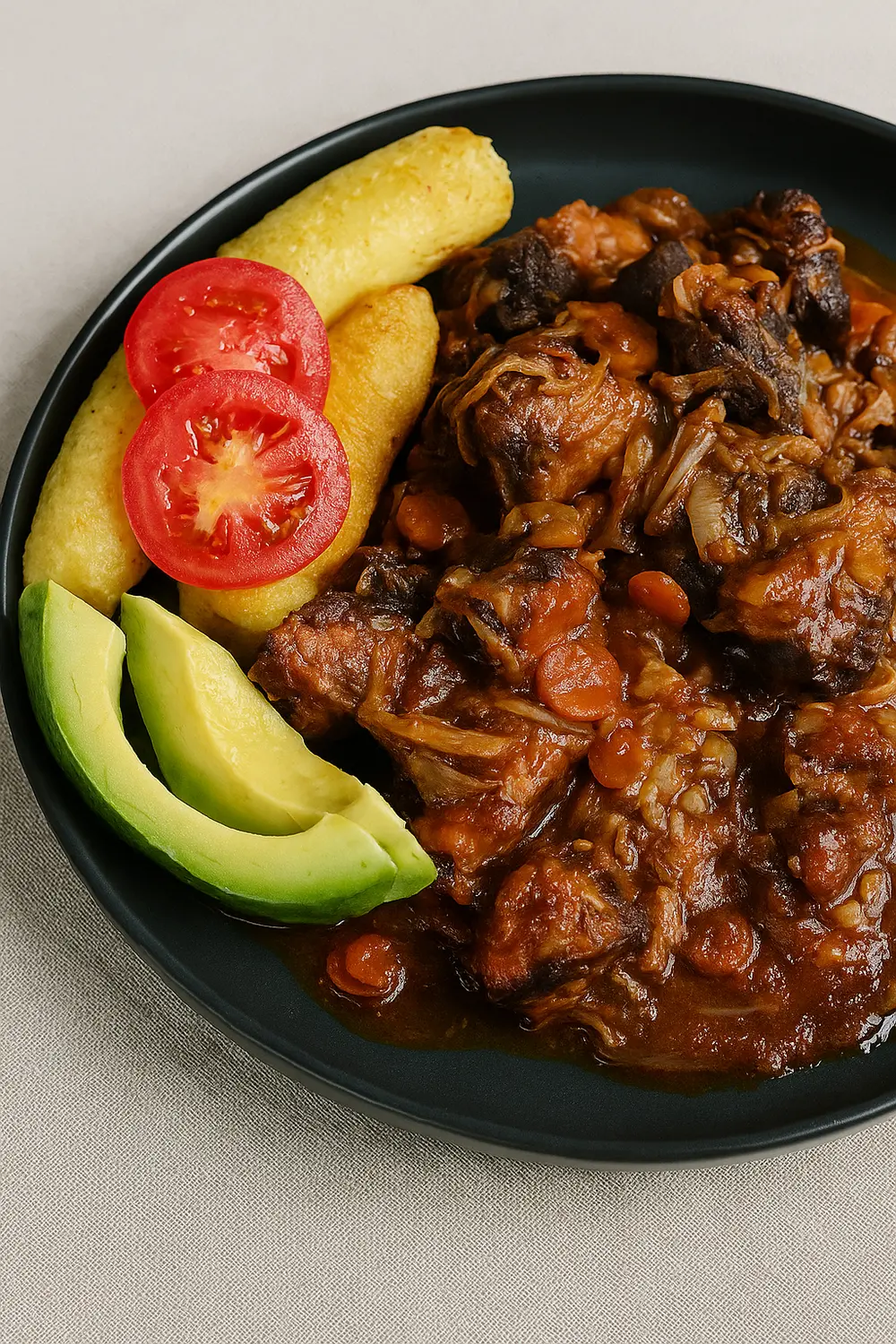
To complete your East African dining experience, consider these traditional pairings:
1. Matooke
- A staple in Ugandan cuisine, matooke consists of steamed and mashed green bananas.
- Its soft, starchy texture is perfect for soaking up the rich, spicy sauce of the pork stir fry, adding a mildly sweet contrast to the savory flavors.
2. Roasted Cassava Fries
- Cassava, with its natural earthy flavor, when roasted into crispy fries, adds a delightful crunch.
- It’s a wonderful alternative to regular fries, giving a nod to local ingredients and offering a satisfying carbohydrate boost.
3. Fried or Grilled Plantain
- Ripe plantains, with their subtle sweetness, are excellent when fried or grilled.
- Their soft interior and crispy exterior complement the spicy pork, balancing heat with a touch of sweetness.
4. Ugali or Posho
- This traditional East African staple food also known as posho serves as a hearty side.
- Its neutral flavor provides a canvas that lets the bold flavors of the stir-fry shine while adding a comforting, filling element to the meal.
5. Roasted Sweet Potato Fries
- For those who enjoy a mix of sweet and savory, roasted sweet potato fries bring an extra layer of complexity.
- Their natural sweetness contrasts beautifully with the spicy pork, making every bite a symphony of flavors.
Tips for Making the Best Ugandan Pork Stir Fry
These pro tips will help you bring out that authentic Ugandan flavor while keeping the dish balanced, wholesome, and truly satisfying:
1. Fry in Batches
Always cook the pork in batches so each piece has enough space to caramelize. Overcrowding the pan lowers the heat, causing the meat to steam instead of frying, which prevents that rich golden crust.
2. Pour Off Excess Oil
After frying, drain or pour off most of the oil, leaving just enough to sauté onions, garlic, or other aromatics. This keeps the stir-fry flavorful without turning greasy, while still carrying the pork’s savory richness.
3. Peel Matooke with Care
Matooke (green bananas) can be tough to peel, so cut off the tips, slice along the skin, and use a knife or thumb to gently pry it off. Rubbing your hands with a little oil before peeling helps reduce stickiness from the sap.
4. Don’t Mash the Matooke
Handle matooke gently to keep the pieces whole and intact. Frying them briefly first gives a sturdier exterior, and folding them in carefully later prevents mashing.
5. Slice the Avocado Last
Cut the avocado just before serving to keep it fresh and vibrant. A quick drizzle of lime or lemon juice prevents browning and adds a zesty touch.
6. Keep Kachumbari Crisp
Prepare and dress the tomato-onion kachumbari salad at the very end so it stays crunchy and refreshing, balancing the richness of the pork.
7. Hold on Low Heat
Once the pork, cabbage, and matooke are combined, keep the wok over low heat until serving. This keeps everything warm while allowing the flavors to meld together.
Final Thoughts
With tender fried pork, fragrant spices, and an irresistible smoky-charred flavor, this Kikalyi Pork recipe captures the essence of a true Ugandan street-food classic.
Pair it with a simple tomato-onion salad, roasted plantains, or a side of chapati for an authentic Ugandan feast that will transport you straight to the bustling food stalls.
You’ll find the full recipe with step-by-step cooking instructions just below.
Keep exploring with our red-hued grilled chicken and jelly-coconut ice cups, then try a chevre onion flatbread, a charred shrimp taco, and a chili-crunch cucumber salad, with tray-serve protein boxes and a matooke-side whole-foods week over on Santiago Maricel.
This article is for information only and is not medical advice. Read our full disclaimer.