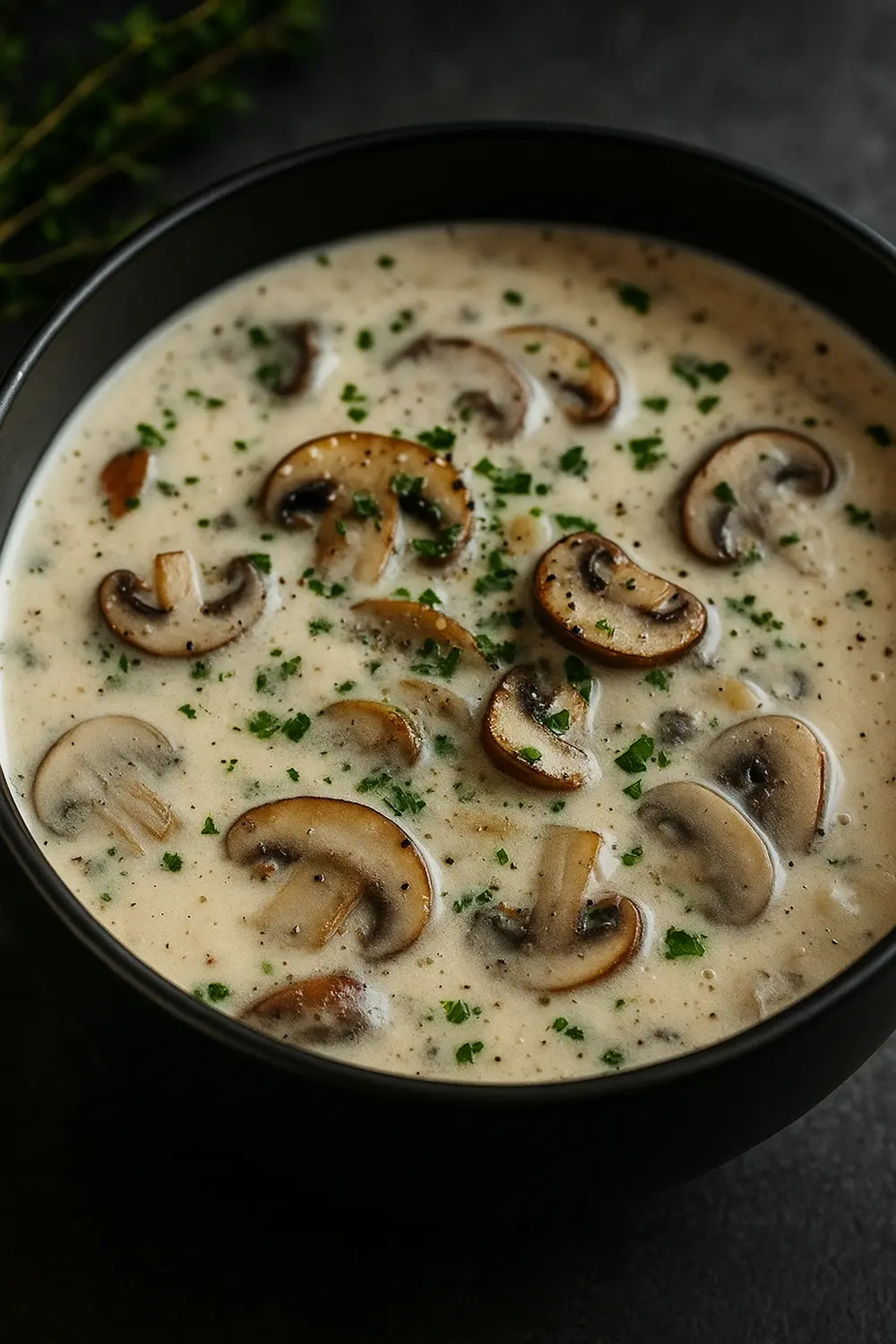
You’re in for a treat with this Japanese homemade cream of mushroom soup, a dish that beautifully marries the principles of healthy eating with incredible flavor.
Japanese cuisine, celebrated worldwide for its contribution to longevity and vitality, inspires every spoonful of this plant-based, nutrient-rich soup. It’s a nod to the famed Blue Zone diet, known for its emphasis on wholesome, life-extending ingredients.
The true magic of this homemade cream of mushroom recipe lies in its simplicity. We take humble, fresh ingredients and transform them into a luxurious, velvety soup that’s light yet incredibly satisfying.
Forget the heavy, sometimes overly rich cream of mushroom soups you might be used to; this version offers a nuanced depth of flavor and a wonderfully delicate texture.
Drawing deeply from the rich umami tradition of Japanese cooking, this homemade cream of mushroom soup recipe guides you in creating a soul-satisfying experience.
We’ll explore how simple techniques can unlock incredible flavors, resulting in a gluten free cream of mushroom soup that strikes a perfect balance between classic comfort and innovative flair.
Key Ingredients for Homemade Cream of Mushroom Soup
Here are the key ingredients you’ll need for this homemade cream of mushroom soup:
1. Fresh Mushrooms
Mushrooms are the heart of this soup. Common choices include cremini, button, and shiitake mushrooms. Each type contributes a unique earthiness and texture.
- Cremini/Button Mushrooms: Offer a mild, yet distinct flavor that deepens with cooking.
- Shiitake Mushrooms: Bring an intense, woodsy taste that elevates the umami notes.
2. Aromatics and Vegetables
The foundation of a robust soup starts with aromatics such as onions and garlic. Additional vegetables like celery and carrots not only add flavor but also a subtle sweetness.
- Onions & Garlic: Sautéing these until soft releases essential flavors and sets the stage for the mushrooms.
- Celery & Carrots: Add texture and a natural sweetness that balances the savory mushroom flavors.
3. Liquid Base
A quality broth is crucial. Vegetable broth is often preferred, especially if you’re aiming for a lighter, plant-based soup.
- Vegetable Broth: Provides a flavorful yet neutral canvas that allows the mushroom and herb flavors to shine.
- Milk or Cream Alternatives: A combination of coconut milk, almond milk, cashew milk, or even a touch of heavy cream lends a creamy consistency without overpowering the taste.
4. Herbs and Spices
Herbs like thyme and oregano, along with bay leaves, enhance the overall flavor profile. Seasonings like salt and pepper are essential to tie everything together.
5. Cream Component
To achieve that signature velvety texture in your mushroom soup, a rich cream component is essential.
- Heavy Cream or Coconut Cream: These ingredients not only enhance the creaminess but also lend a luxurious mouthfeel. Use coconut cream for a dairy-free twist that still maintains a rich flavor.
6. Thickening Agents
For those who prefer a thicker, more luxurious consistency, a small amount of flour or a gluten-free blend can be used.
- Flour or Gluten-Free Blend: Lightly dusted in during the sautéing process, these agents help achieve a heartier, more substantial soup.
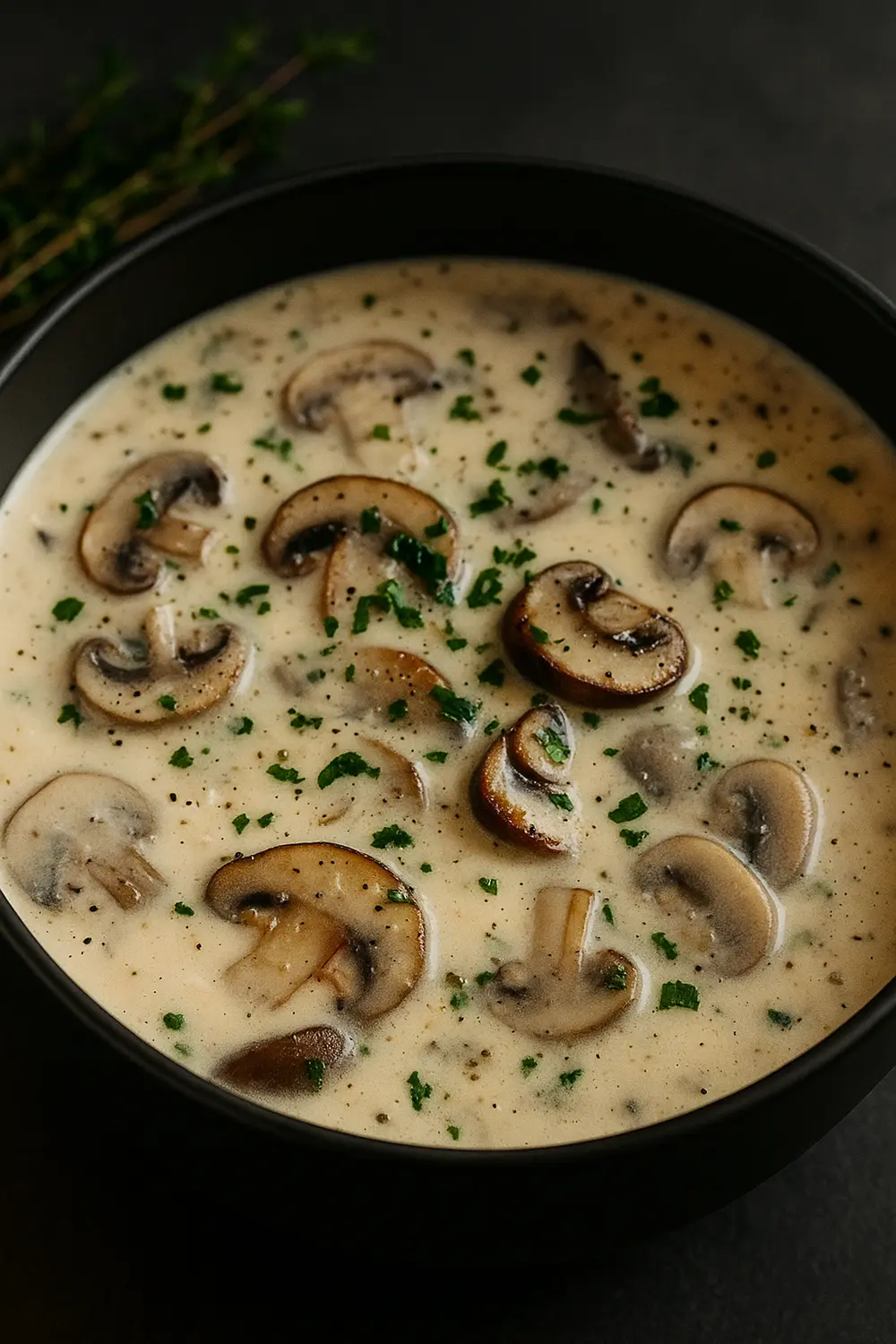
Equipment Needed for Making Mushroom Soup
Creating a perfect bowl of mushroom soup requires some good kitchen tools:
- Large, Heavy-Bottomed Pot: A sturdy pot ensures even heat distribution, allowing the vegetables and mushrooms to cook uniformly without scorching.
- Cutting Board and Sharp Knife: Accurate and safe chopping of your mushrooms, onions, celery, and carrots is key. A sharp knife not only speeds up the process but also ensures consistency in size for even cooking.
- Measuring Cups and Spoons: Precise measurements are crucial, especially when balancing the liquid ingredients with the cream and herbs.
- Mixing Spoon and Spatula: These are essential for stirring and ensuring that all the ingredients meld together well during the cooking process.
- Immersion Blender or Countertop Blender: For those who prefer a smoother texture, an immersion blender can be used to partially or fully blend the soup. Alternatively, a countertop blender works perfectly, just blend in batches if needed.
- Ladle and Soup Bowls: After all your hard work, you’ll need a reliable ladle for serving and some attractive bowls to present your creation.
Nutritional Benefits of Mushroom Soup
This homemade cream of mushroom soup is not only a comfort food but also a nutritional powerhouse:
- Low in Calories: Mushrooms are naturally low in calories, making this soup a guilt-free option. It’s filling yet light, which is perfect for those monitoring their caloric intake.
- Rich in Vitamins: This soup is packed with vitamins such as D (from mushrooms) that help support bone health and mood regulation, while others like vitamin A and various B vitamins contribute to energy production, skin health, and overall cellular function.
- Dietary Fiber: The combination of mushrooms, onions, carrots, and celery contributes to your daily fiber intake, aiding in digestion and promoting a feeling of fullness.
- Rich in Minerals: With key minerals like potassium, magnesium, and iron, this Japanese mushroom soup supports muscle function, aids in maintaining healthy blood pressure, and helps build strong bones.
- Heart-Healthy: Coconut milk provides medium-chain triglycerides (MCTs), which have been linked to improved cholesterol levels and better heart health by promoting good (HDL) cholesterol and reducing bad (LDL) cholesterol.
- Supports Immunity: Shiitake mushrooms contain beta-glucans, which help strengthen the immune system by enhancing white blood cell activity and reducing inflammation, making your body more resilient to infections, promoting longevity.
- Rich in Antioxidants: Cream of mushroom soup is bursting with antioxidants that help protect your cells from oxidative stress. Antioxidants neutralize free radicals, which can damage cells and contribute to aging and chronic diseases.
- Healthy Fats: Using a modest amount of cream or healthy alternatives like coconut cream introduces essential fats that support cell function and satiety.
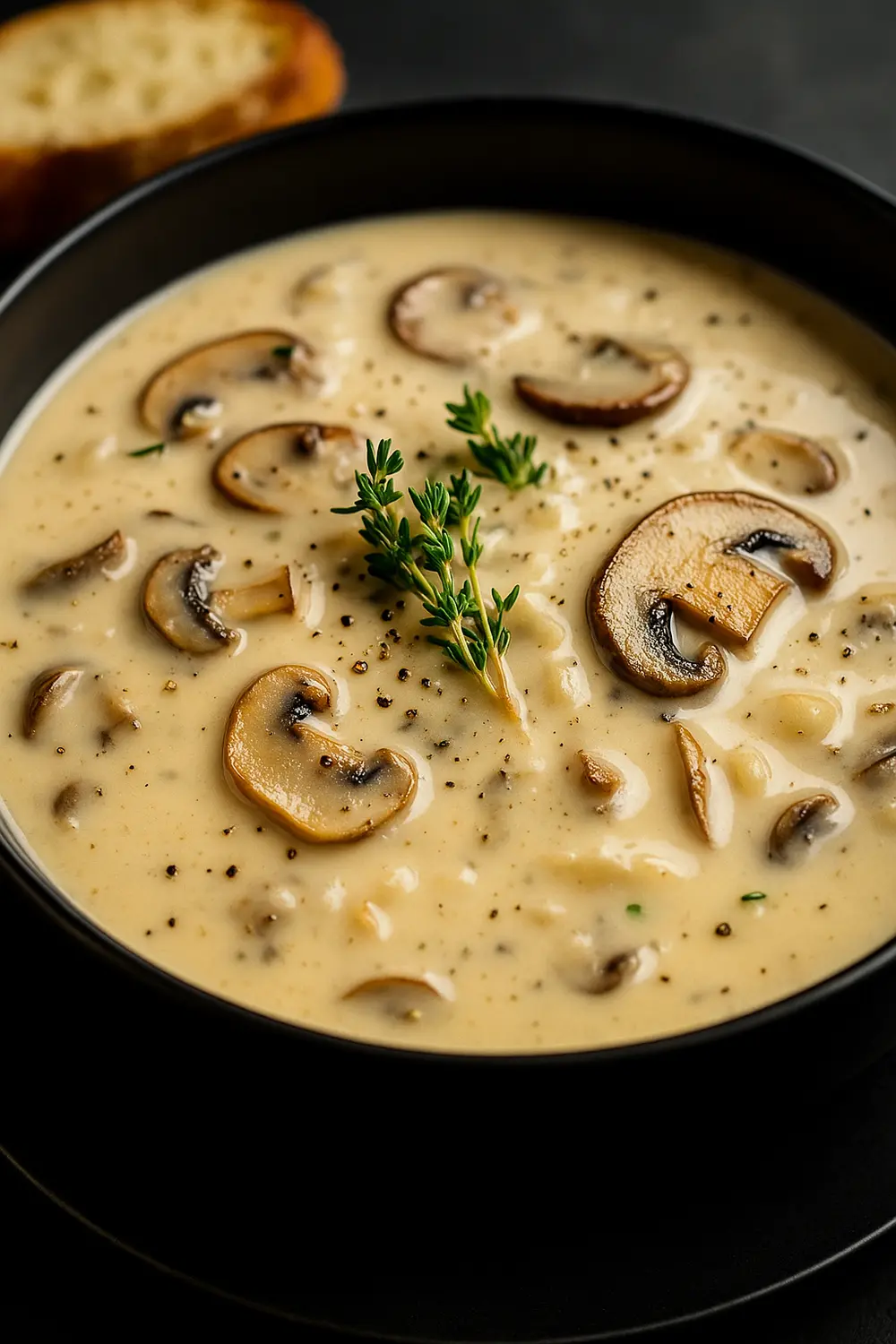
What to Serve or Pair with Mushroom Soup
These pairings not only honor the traditional Blue Zone emphasis on fresh, whole foods but also complement the rich, earthy flavors of this Japanese mushroom soup:
- Okinawan Purple Sweet Potatoes: Naturally rich in anthocyanins and complex carbohydrates, these sweet potatoes are a dietary staple in Okinawa. Their vibrant color and mild sweetness beautifully balance the earthy mushroom soup.
- Seaweed Salad: Seaweed is a traditional food in coastal Blue Zones, particularly in Okinawa. Its high mineral content (especially iodine and calcium) and umami flavor make it an ideal, nutrient-dense side that balances the richness of the soup.
- Mixed Greens with Citrus Vinaigrette: A fresh salad featuring local greens (such as arugula, spinach, or kale) with a light citrus dressing adds brightness to your meal. The vitamin C and antioxidants in the dressing further enhance the Blue Zone focus on immune-boosting foods.
- Brown Rice or Quinoa: Whole grains are a cornerstone of Blue Zone diets. A small serving of brown rice or quinoa provides a wholesome, fiber-rich accompaniment that rounds out the meal while keeping it satisfying and heart-healthy.
- Fermented Vegetables: Pickled or lightly fermented vegetables, such as kimchi or traditional Japanese tsukemono, offer beneficial probiotics that support digestive health. Their tangy flavor profile pairs beautifully with the mellow creaminess of the soup.
- Steamed Greens with a Drizzle of Olive Oil: Simple steamed broccoli, spinach, or bok choy dressed with a bit of olive oil and a sprinkle of sea salt captures the essence of Blue Zone eating, providing vitamins and minerals that align with the longevity-focused philosophy.
- Lentil Patties or “Burgers”: Inspired by Sardinian legumes, lentil cakes spiced with cumin, onion, and garlic make a hearty, plant-based side. They provide protein, iron, and fiber, perfect for a filling Blue Zone meal.
- Stuffed Grape Leaves (Dolmas): Popular in Ikaria and Loma Linda’s Mediterranean-inspired communities, dolmas filled with rice, herbs, and pine nuts offer satisfying bites alongside the mushroom soup.
Quick Tips for Making the Best Mushroom Soup
- Mushroom Variety Matters: Experiment with different types of mushrooms (such as oyster, portobello, or even more exotic varieties) to deepen the flavor profile.
- Consistency is Key: For a creamier texture, blend part of the soup and leave the rest chunky for added texture.
- Low and Slow Simmering: Allow the soup to simmer slowly to help the flavors fully develop. Rushing this step can result in a less flavorful broth.
- Adjusting Thickness: If your soup is too thick, simply add a bit more broth or water. If too thin, let it reduce a bit longer or add a slurry of flour and water.
- Enhance the Umami: A splash of soy sauce or a pinch of nutritional yeast can elevate the umami notes in the soup.
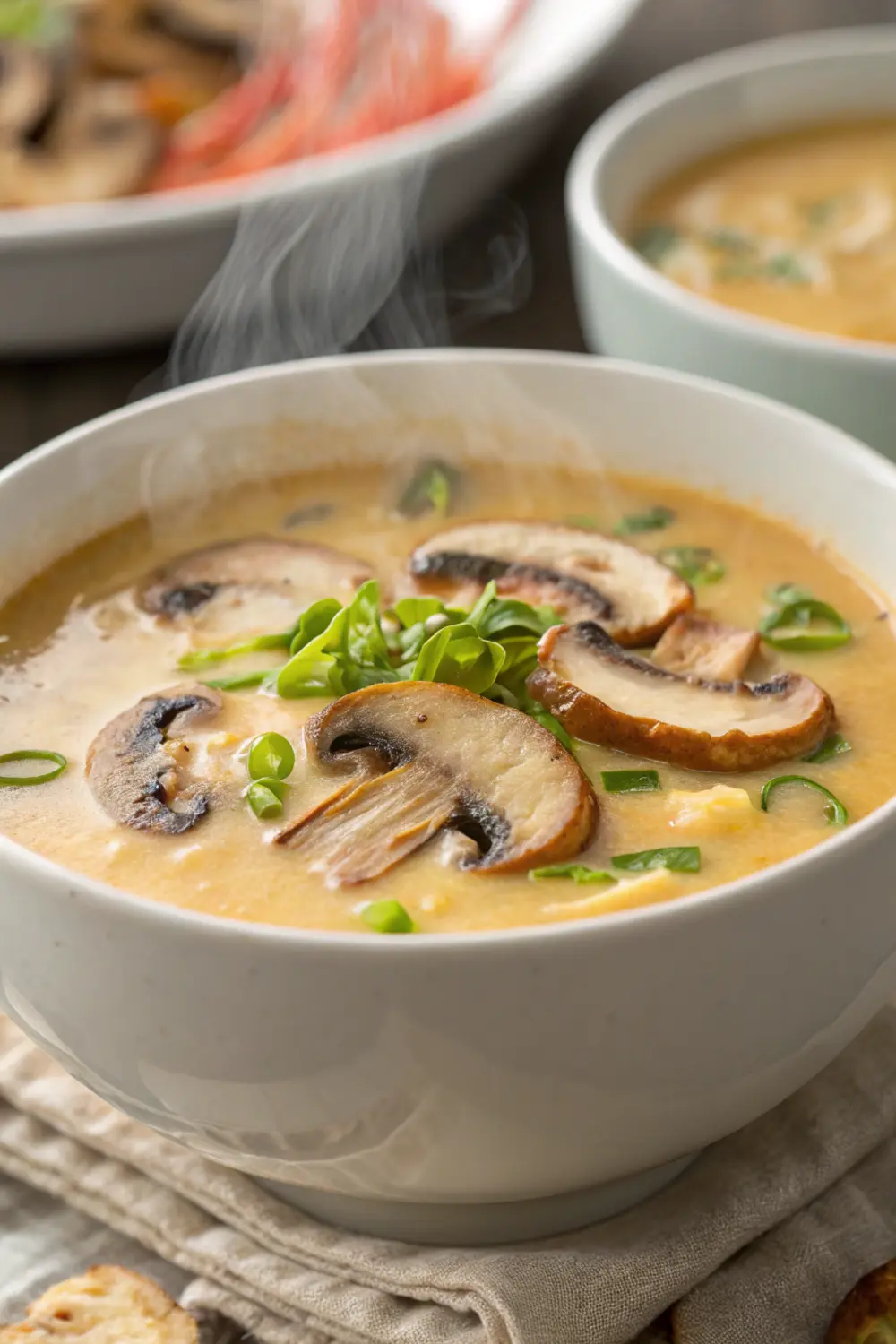
Final Remarks
Silky, savory, and deeply comforting, this mushroom soup tastes like patience in a bowl. Roasting the mushrooms first makes all the difference.
Ladle it steaming hot and keep the crackers close at hand.
Keep exploring with our takeout-style grilled chicken and all-day merienda cups, then see pepperoncini pot roast, warming lamb curry bowls, and tangy picnic pasta bowls, rounded out with a brain-first MIND week and a from-scratch whole-foods week from Santiago Maricel.
This article is for information only and is not medical advice. Read our full disclaimer.