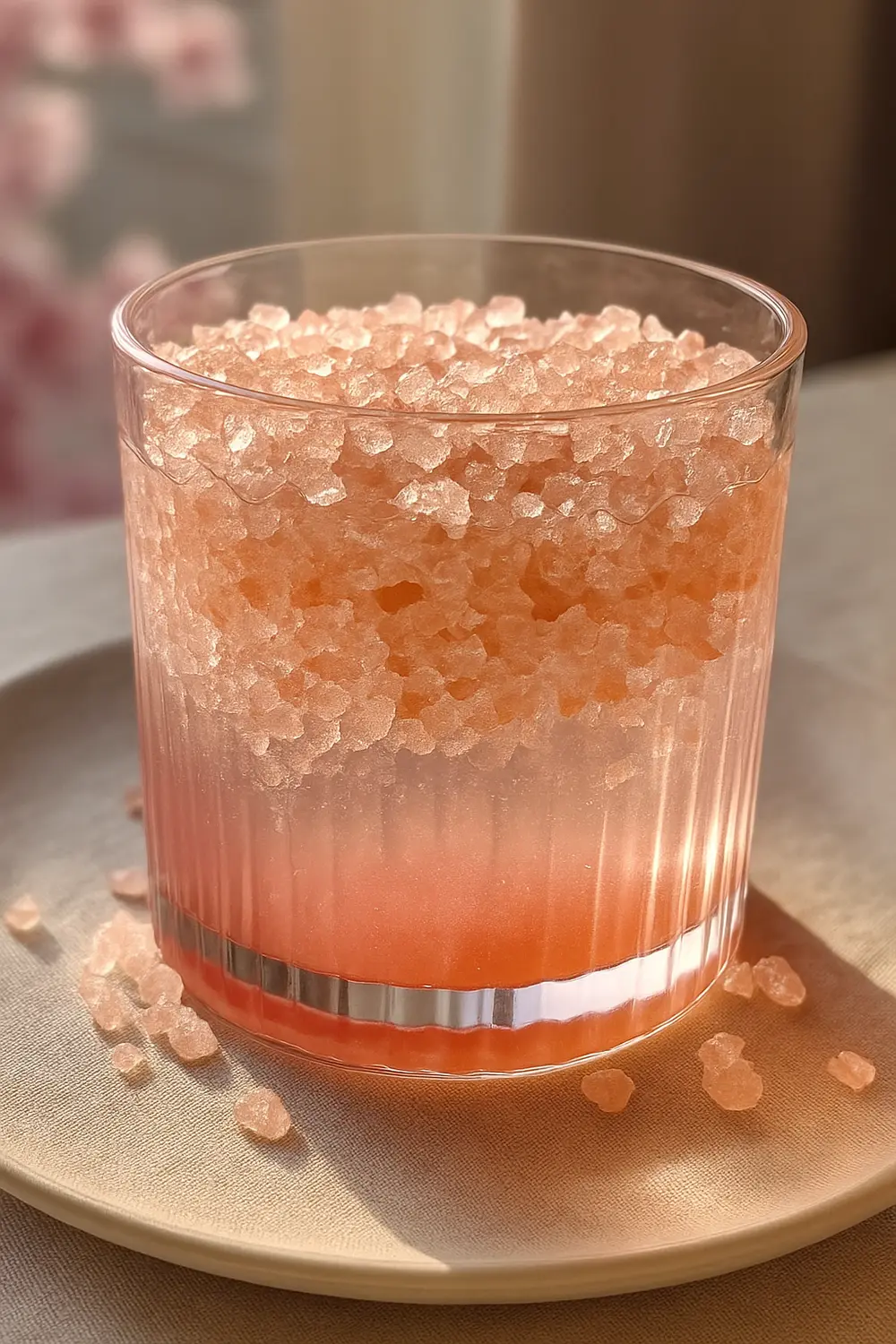
If you’ve spent even a few minutes scrolling through social media lately, you’ve probably stumbled upon the pink salt trick.
It’s a trend that has captured both wellness enthusiasts and home cooks alike, a simple yet powerful recipe using Himalayan pink salt that is filled with a variety of health benefits.
Many people claim that they use it for weight loss or detoxification, but experts and registered dietitians confirm that pink salt does not directly cause weight loss, speed up metabolism, or detox the body. Salt-water weight claims need skepticism. NIDDK weight-claim explainers for drinkers cover the science.
It still serves a legitimate purpose as an effective, unrefined electrolyte replacement, especially for individuals with increased sodium needs due to intense exercise or specific dietary restrictions. Sweat-heavy days raise sodium needs. Harvard's Nutrition Source shares electrolyte-drink notes.
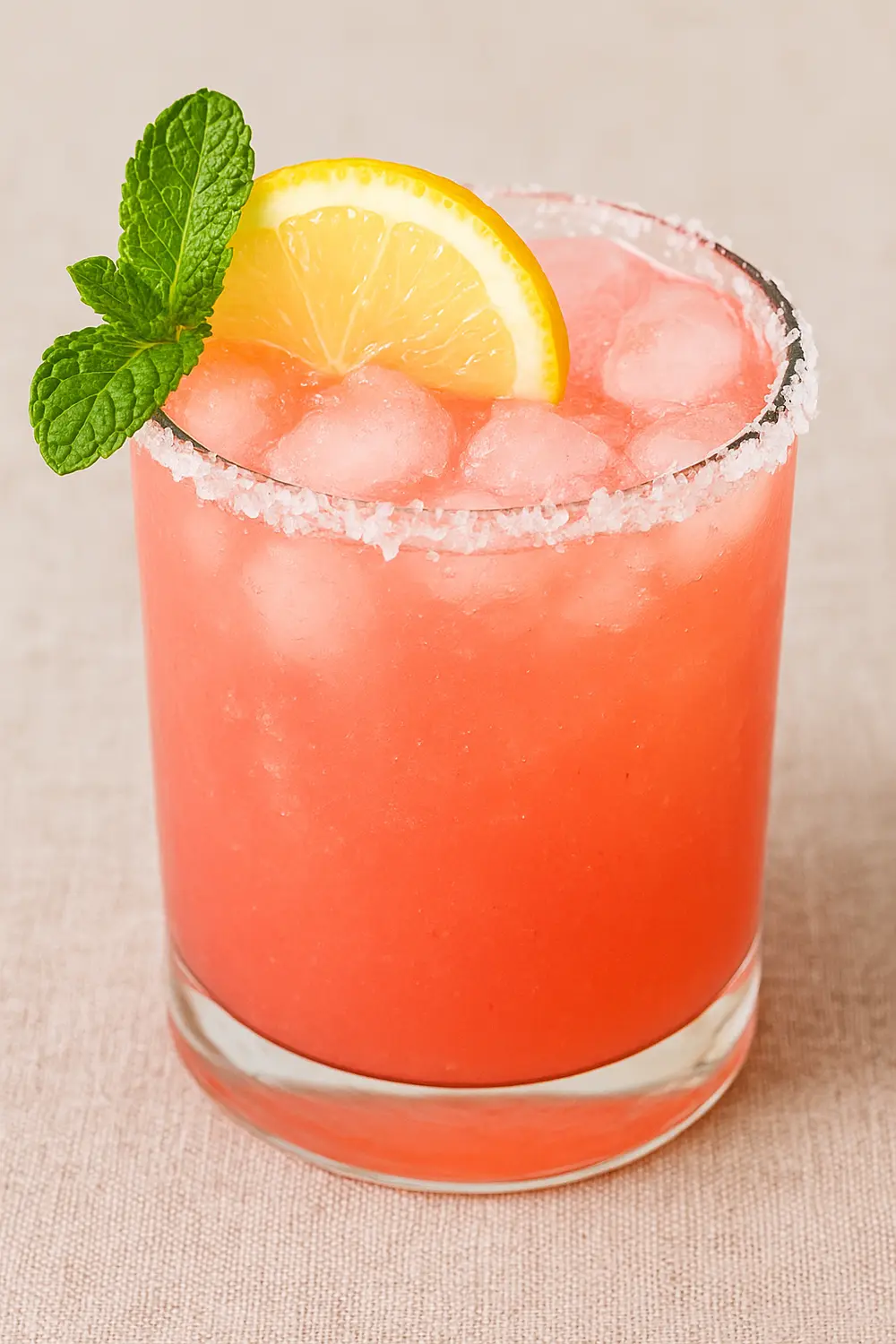
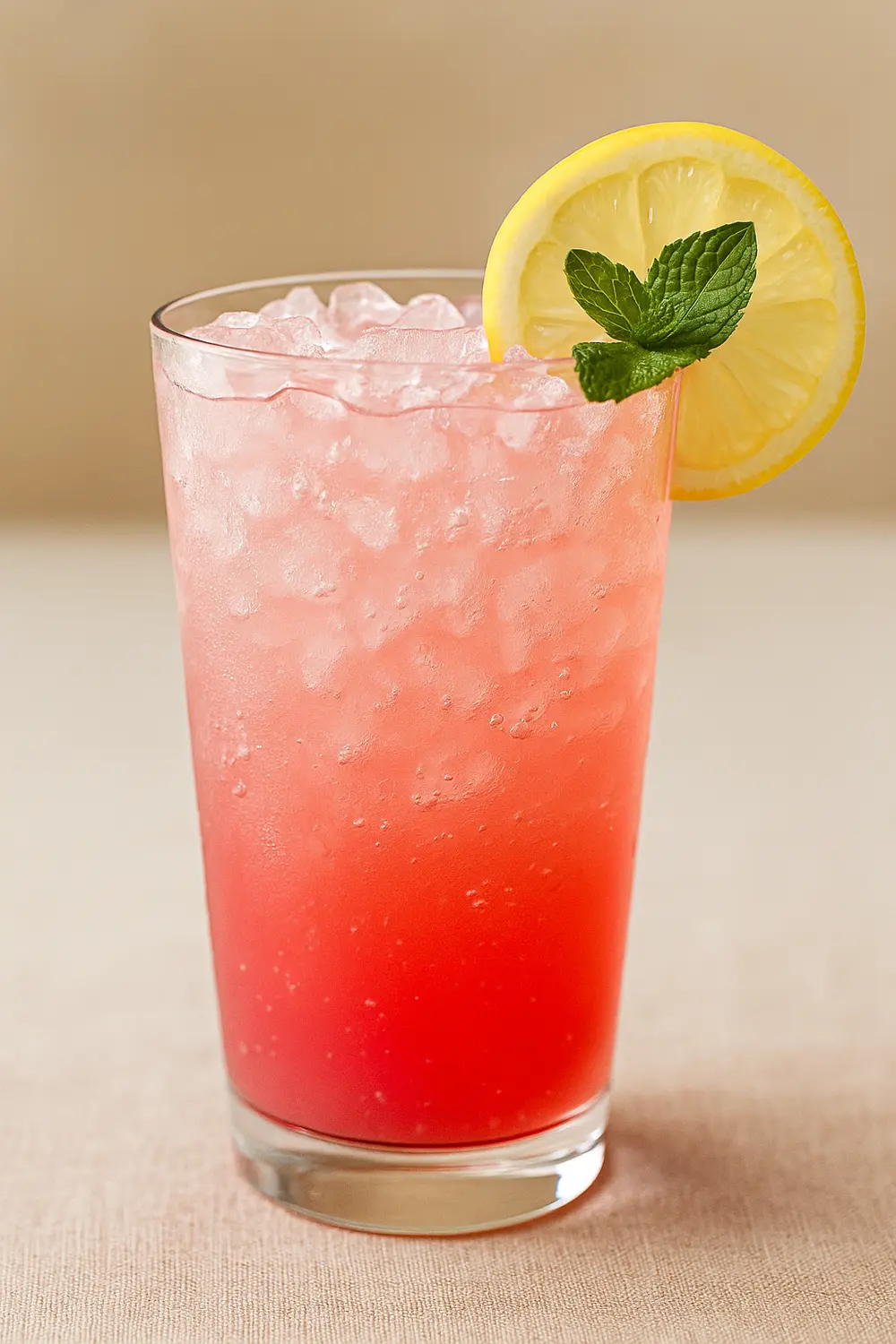
This quick and easy pink salt trick recipe creates a potent hydration beverage, often called sole water, by dissolving trace mineral-rich Himalayan pink salt in filtered water and adding fresh lemon for an acidic balance.
This particular pink salt recipe is exceptionally easy to execute, requiring only five minutes of active preparation time, especially if the salt base or sole water is prepared ahead.
It yields one perfect serving (typically an 8 to 10 ounce glass), making it ideal for incorporating into a busy schedule without generating waste or complexity.
For those who frequently sweat or follow specialized diets (such as keto or low-carb diet plans), maintaining a balanced electrolyte level is crucial, and this simple beverage serves as a far superior, lower-sugar alternative to most commercial sports drinks.
The Truth About Pink Salt for Weight Loss
Despite the growing buzz and countless viral testimonials, the claim that the pink salt trick directly promotes weight loss isn’t backed by solid scientific research.
Registered dietitians unequivocally state that pink salt does not support weight loss, boost metabolism, or detoxify the body.
What it can do, however, is support better hydration and electrolyte balance, which sometimes gets mistaken for actual fat loss.
The idea that the pink salt trick works often comes from two main factors:
- First, the combination of sodium and water helps balance fluid levels, which can temporarily reduce bloating and water retention, which can make you feel lighter or slimmer for a short time.
- Second, as people begin adding this drink to their routine, they often end up replacing sugary or processed beverages with sugar-free, low-calorie drinks, which in turn supports more sustainable weight loss goals.
Key Ingredients for This Pink Salt Trick Recipe
The pink salt trick recipe is often called sole water and relies on three fundamental ingredients, which are frequently found in nearly every pantry.
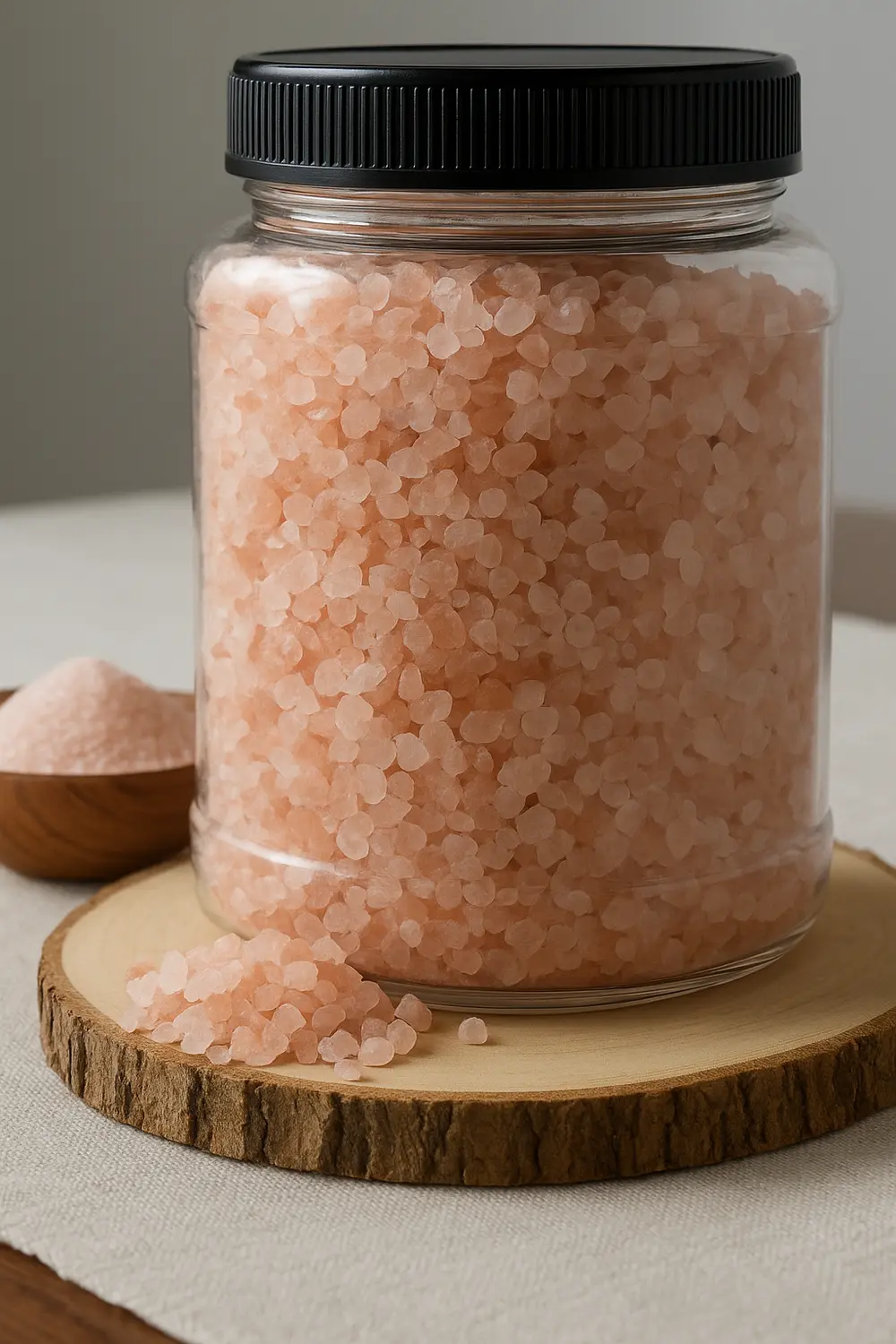
1. Himalayan Pink Salt
- Himalayan pink salt is recognizable by its pale pink to reddish hue, which comes from trace amounts of iron oxide (a compound similar to rust).
- It is an unrefined rock salt, mined from ancient sea beds in Pakistan near the Himalayas.
- It also contains over 80 trace minerals, which, while in small amounts, are retained due to its minimal processing.
- For the best results when making the concentrated solution (sole water), use coarse crystals to ensure proper saturation.
2. Filtered Water
- High-quality, filtered water is essential for purity.
- The water can be warmed slightly (often recommended for consumption on an empty stomach to “activate” digestion) or chilled and served over ice (excellent for post-workout recovery).
3. Fresh Lemon
- The lemon is added not only to mask the intense salty taste but also to introduce vitamin C and beneficial citric acid.
- The citric acid is thought to help decrease the risk of kidney stones, adding a genuine, evidence-backed nutritional value that complements the hydration goals.
Essential Tools for Making This Pink Salt Recipe
While the Himalayan salt recipe is simple, having the right tools ensures accuracy and consistency, especially given the potent sodium content of the salt:
- Measuring Spoons: Use a 1/4 teaspoon measure to ensure you do not exceed the recommended sodium intake, which can lead to high blood pressure concerns.
- Glass Jar with Lid: Needed for preparing and safely storing the saturated sole water concentrate.
- 10 oz Drinking Glass or Tumbler: The preferred vessel for mixing and consuming the final daily serving.
- Small Whisk or Spoon: Used to ensure the fine pink salt or the sole water concentrate is completely dissolved into the drinking water before consumption.
- Citrus Juicer: Recommended for efficiently extracting the maximum juice from fresh lemons or limes.
Health Benefits of Himalayan Pink Salt
The appeal of Himalayan pink salt lies in its status as a natural, unrefined food source, offering advantages over highly processed table salt, though it must be consumed in moderation due to its high sodium content.
- Source of Trace Minerals: Himalayan pink salt contains more than 80 trace minerals, including small amounts of potassium, calcium, magnesium, and iron, all of which are stripped away during the refining of regular table salt.
- Unrefined Purity: Unlike regular table salt, Himalayan pink salt is unrefined and minimally processed, free from the bleaching and additives found in many commercial salts.
- Electrolyte Support for Fluid Balance: Himalayan pink salt provides sodium, an essential electrolyte that supports hydration and helps maintain healthy brain, muscle, and nerve function.
- Potential for pH Balancing: Advocates suggest that the high electrolyte count can promote the absorption of electrolytes and slightly help balance the body’s pH levels, especially when replacing lost fluids during vigorous exercise.
Potential Risks of This Pink Salt Diet Recipe
One of the biggest concerns with the pink salt diet is the risk of consuming too much sodium without realizing it.
Because Himalayan pink salt often carries a “healthier” reputation, people tend to underestimate just how much sodium it still contains.
To put it into perspective, just ¼ teaspoon of fine Himalayan pink salt contains around 590 mg of sodium, which is roughly 26% of the recommended daily maximum of 2,300 mg.
For the vast majority of the population (approximately nine out of ten Americans) who already get too much salt from everyday foods, adding this drink on top of regular meals can easily push sodium intake beyond safe limits.
Excess sodium from any source, including unrefined pink salt, is a direct contributor to:
- Hypertension and Cardiovascular Disease: High blood pressure is the leading cause of conditions like stroke and heart failure.
- Kidney Concerns: Chronic excessive sodium intake can raise the risk of chronic kidney disease.
- Calcium Loss: High salt consumption accelerates the body’s flushing of calcium via urine, which can worsen conditions like osteoporosis.
This beverage is only functionally necessary for those with low sodium intake or those who engage in intense activity leading to measurable salt loss.
For the average, sedentary consumer, the marginal, unproven benefits of the trace minerals do not outweigh the quantifiable cardiovascular risks associated with habitual, high sodium consumption.
Comparison of Common Culinary Salts
| Feature | Himalayan Pink Salt | Refined Table Salt (Iodized) | Celtic Sea Salt |
|---|---|---|---|
| Primary Composition | Sodium Chloride (97 to 99%) | Sodium Chloride (>99%) | Sodium Chloride (80 to 90%) |
| Iodine Content | Trace or None (Unrefined) | Added (Fortified Source) | Trace or Low (Unrefined) |
| Trace Minerals | High count (80+), low quantity | Very low (removed during processing) | Moderate count, low quantity |
| Processing Level | Minimal | Highly processed (bleached) | Minimal (evaporated) |
| Noted Concern | Lack of iodine; high sodium | Added anti-caking agents | Potential Microplastics |
What to Serve with Your Pink Salt Drink
Sole water works best as part of a morning rhythm rather than a standalone fix. Here is how to fit the ritual into real days.
- First Thing Mornings: Drink it within thirty minutes of waking, before coffee, when overnight fluid loss leaves you most depleted.
- Before Workouts: A glass about twenty minutes before training pre-loads sodium that heavy sweating is about to cost you.
- Alongside Breakfast: Pair with eggs, oatmeal, or fruit so the minerals join a real meal instead of working alone.
- After Saunas or Hot Days: Replenish visibly salty sweat with sole water before reaching for plain water alone.
Tips for Making the Best Pink Salt Drink
Elevating the pink salt trick from a basic trend to a high-quality, functional beverage requires attention to detail, sourcing, and flavor balance.
1. Master the Sole Water Concentrate
Consistency starts with preparing a sole water base in advance. Fill a clean glass jar halfway with coarse pink salt crystals, then top it off with filtered water.
Let it sit for 12 to 24 hours until some crystals remain at the bottom; that’s how you know the water is fully saturated.
This simple concentrate gives you a steady, mineral-rich foundation for your pink salt drink every time.
2. Prioritize Precision Measurement
Because just ¼ teaspoon of fine pink salt already makes up about 26% of your daily sodium limit, it’s important to use an actual measuring spoon rather than estimating.
For daily use, stick to 1 teaspoon of the Sole Water concentrate, or start small with ¼ teaspoon of fine pink salt if you’re mixing it directly.
3. Customize Based on Your Needs
After physical activity, you can turn it into a natural rehydration drink by adding a splash of potassium-rich coconut water or a few drops of fresh orange juice.
This helps balance the sodium from the pink salt with the potassium and magnesium your body loses through sweat, supporting better recovery and hydration.
4. Focus on Freshness
Always use only freshly squeezed lemon juice, as bottled versions lack the vibrant flavor and natural vitamin C boost.
Finish with a lemon wheel or a sprig of mint for a refreshing aroma and a touch of visual appeal that makes the drink feel more satisfying and enjoyable.
5. Control Temperature Based on Your Goals
- If the goal is digestive activation and detox support, serve the drink with slightly warm water, as recommended for consumption on an empty stomach.
- If the goal is rapid post-workout cooling and electrolyte replacement, serve it cold over crushed ice.
Final Remarks
This pink salt trick may be simple, but its refreshing balance of minerals, hydration, and ritual makes it more than just a trendy drink.
It’s a mindful way to start your day feeling balanced and energized. With its crisp lemon flavor and subtle mineral notes, it’s a cleaner, more natural alternative to sugary beverages.
Feel free to add a splash of coconut water for extra electrolytes, a drizzle of honey for a gentle sweetness, or a few mint leaves for a cool, revitalizing twist.
If you try this pink salt trick recipe, we’d love to hear your experience. Did you feel more hydrated, or notice any changes?
You’ll find the complete preparation steps and full recipe below.
Keep exploring with our smoke-washed inasal chicken and ube-flan fiesta cups, then try a from-scratch strawberry cake, a holiday prime rib roast, and an old-fashioned beef stew, with a salt-smart sodium week and a sole-water clean week over on Santiago Maricel.
This article is for information only and is not medical advice. Read our full disclaimer.